
Harvesting
When to Harvest
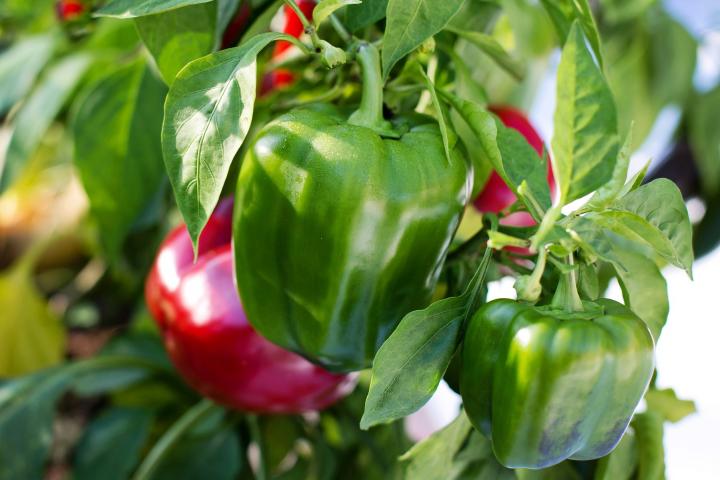
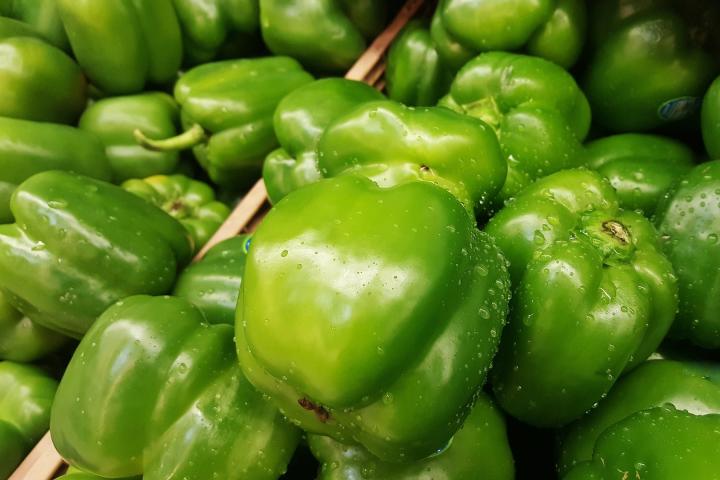
Begin harvesting bell peppers as soon as the plants begin fruiting and the peppers reach a usable size. You can harvest bell peppers when they’re green or when they reach their mature color, which may be red, orange, yellow, or even purple depending on the variety. Harvesting regularly prompts pepper plants to produce more fruit and safeguards harvests from pest damage; however, bell peppers get sweeter the longer they stay on the plant.
How to Harvest
To harvest bell peppers, hold the pepper stem and snip the stem off the plant with a clean pair of pruners, scissors, or a sharp knife. Don’t pull bell peppers off the plant as this can cause significant damage and make peppers less productive.
Storage
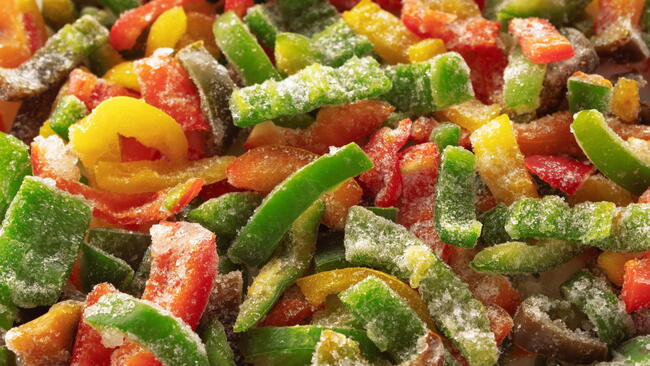
After harvesting, bell peppers should stay fresh in the cripsper drawer of your fridge for up to 10 days. For longer storage, you can also chop and freeze bell peppers, or wash, de-seed, chop and dry them in an oven or dehydrator set at 140°F for 4 to 6 hours.
Types
Look for varieties that ripen to their full color quickly; fully mature peppers are the most nutritious—and tastier, too!
- Green peppers that turn Red: ‘Lady Bell’, ‘Gypsy’, ‘Bell Boy’, ‘Lipstick’
- Orange: ‘Milena’, ‘Orange Sun’
- Yellow: ‘Golden California Wonder’

Comments

Peppers can drop their flowers for a few reasons, including temperatures that are too cool or hot, inadequate pollination, or some other cultural stress, such as too little or too much water, humidity too high or low (which can affect the pollen), soil too rich or nutrient-poor. Sudden changes in temperature, such as what might happen when moving them indoors, can also stress the plants. Some insect pests and diseases can also cause flowers to fall off. Best guess, since your plants seem otherwise healthy, would be that your plants are either just adjusting to their new environment and should eventually recover, or the flowers aren't receiving enough pollen (peppers are self-pollinating, but wind or insects help the transfer of pollen). Since your plants are indoors, away from wind and insects, you might try gently shaking the plant a tiny bit, to mimic wind, to encourage pollen to fall onto the flower stigmas. Or, you can gently gather pollen onto a cotton swab or small paint brush (just brush the pollen-coated anthers of the flower) and then transfer the pollen to the flower stigma, in the center of each flower. Hope this helps!
If the weather's been especially hot (which peppers prefer), the peppers may have thought that it was Summer Part II and thus, time to produce more peppers! It's unlikely that they'll make it to full maturity at this point in the season, but you could try to give them a couple extra weeks by employing row covers.
How long it takes a bell pepper to ripen to red depends on the variety, temperature, and other conditions. In general, it may take 2 to 4 weeks or more, once the pepper reaches mature size.
- « Previous
- 1
- 2
- …
- 10
- Next »

Hi Megan,
The two most important factors that can affect growing peppers with thick walls are the days to maturity and the amount of water given. If peppers are not given adequate time to reach full maturity, they will have thin walls: this is especially noticeable in hot regions. Try not to be impatient when waiting to harvest your peppers and it will pay off. As for water, the growth of peppers can be drastically influenced by an inconsistent watering schedule. Peppers like well-draining moist (not wet) soil, so be sure to water pepper plants evenly and consistently, and to water more or less only when temperatures or humidity change drastically, as they will affect the amount of water evaporating into the air. Good luck with your crop of peppers this coming growing season!