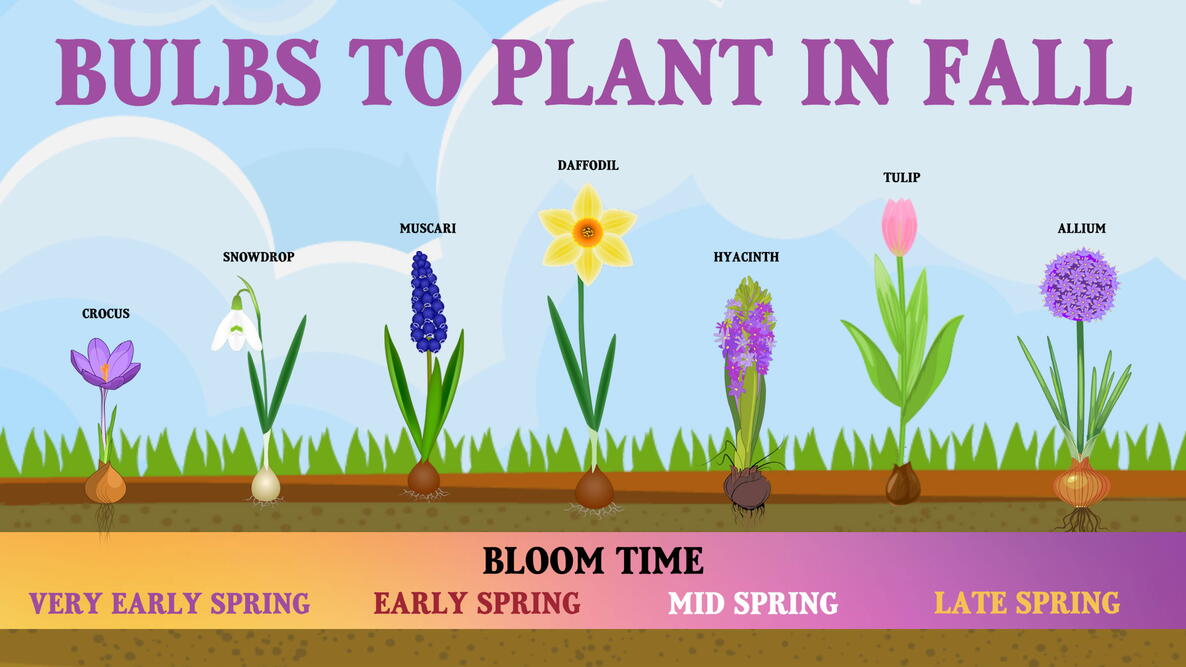
Craving color after a long, gray winter? Plant your bulbs this fall and let spring surprise you! From cheerful daffodils and crocuses to showy tulips, fragrant hyacinths, and striking alliums, autumn-planted bulbs sleep through the cold and wake up just in time to dazzle. We’ll walk you through when and how to plant fall bulbs, which ones grow best in your region, and how to keep the blooms coming all spring long.
Best Time to Plant Bulbs in Fall
Fall-planted bulbs need time to grow roots before the ground freezes. The best time to plant is when soil temperatures drop below 60°F (typically about 6 weeks before your first hard frost):
Northern regions: Plant in September or October
Southern regions: Plant in October or November
Very warm climates: Some bulbs may need to be pre-chilled before planting
Use our Frost Dates Calculator to find the best planting window for your area. When in doubt, aim to get your bulbs in the ground before Halloween!
Special Notes for Southern Gardeners:
In the warmest parts of the South, spring-flowering bulbs often need extra prep. Most fall bulbs require a 12- to 16-week cold period, so pre-chill them in ventilated bags at the bottom of your fridge (40° to 50°F) for several weeks. Some bulbs arrive pre-chilled from suppliers—check before you buy.
Also, note that certain bulbs, like tulips, may bloom only once in warm climates and need to be replanted each year. Others, like daffodils, perennialize and return season after season.
Best Fall Bulbs to Plant by Zone
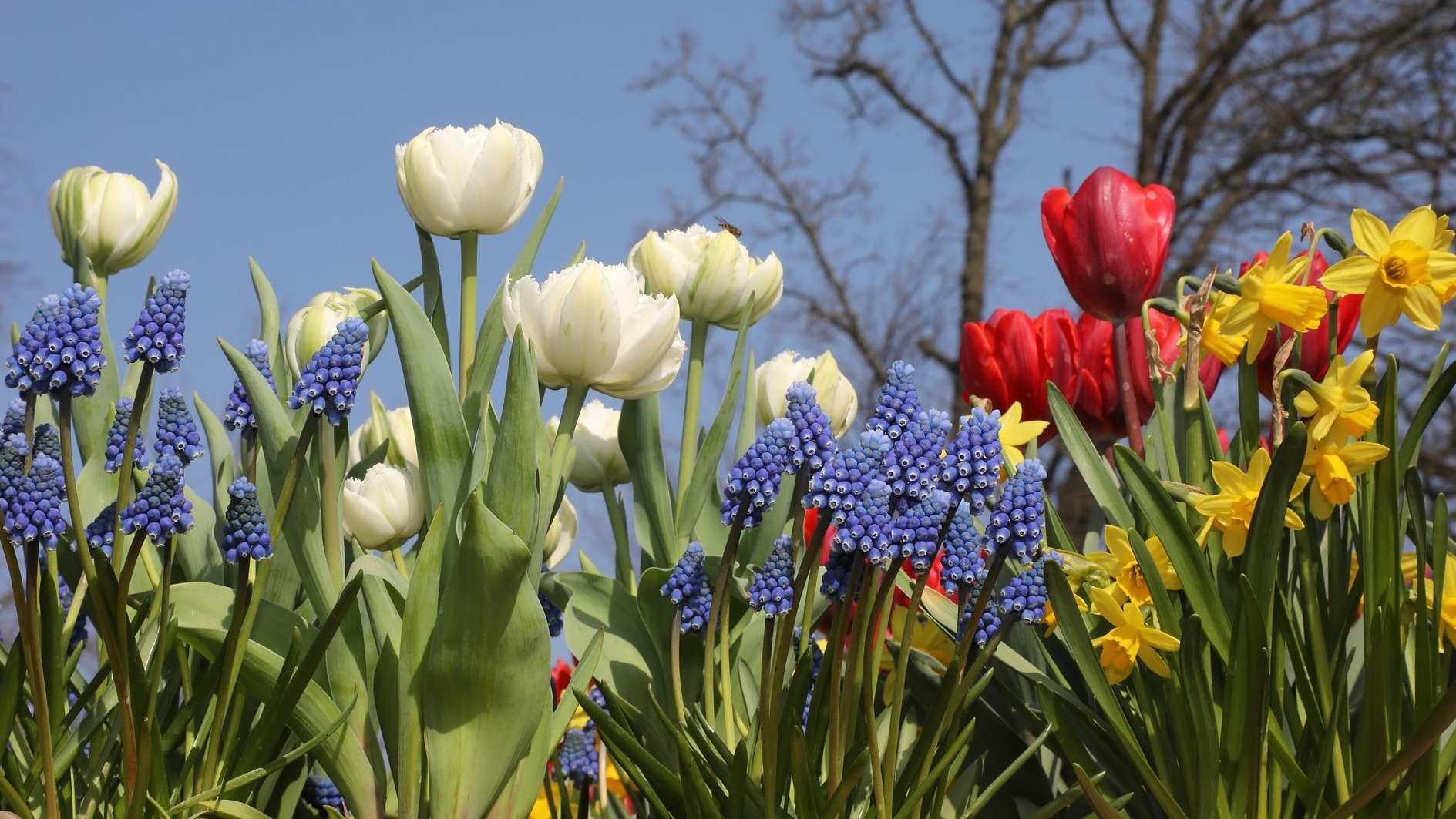
Fall bulbs aren’t one-size-fits-all. Different varieties flourish in different hardiness zones. Mix early-, mid-, and late-bloomers to extend your spring flower show. Some bulbs are planted in spring and flower in summer to keep the party going!
Find your USDA Plant Hardiness Zone here.
Best Flower Bulbs to Plant in Fall
Below are some of the most popular and reliable spring-blooming bulbs.
1. Alliums (Ornamental Onions)
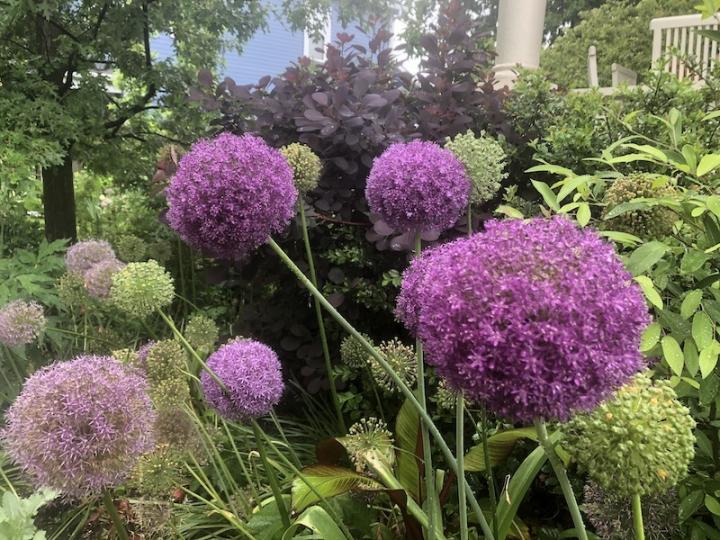
Deer-resistant bulbs with dramatic spherical flowers in late spring. Prefer loose, sandy soil and full sun. Great for cutting gardens and pollinators. [Allium guide →]
2. Crocuses
One of the earliest spring bloomers, crocuses grow 4–6 inches tall and prefer full sun or partial shade. Not recommended if deer are a problem. Plant 3 inches deep. [Crocus growing tips →]
3. Daffodils
Deer-resistant and easy to grow, daffodils come in many colors and thrive in well-draining, amended soil. Plant 6 inches deep and 6 inches apart. [Learn more about daffodils→]
4. Hyacinths
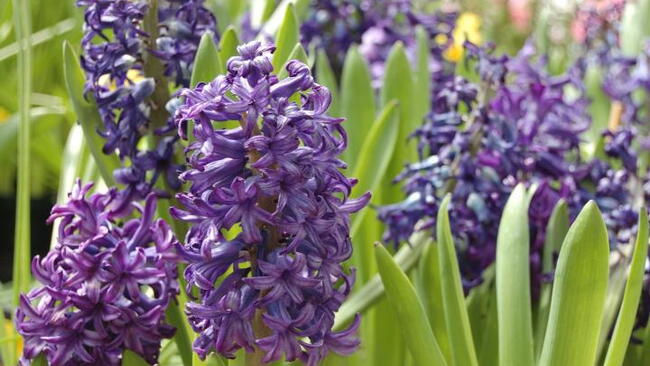
Fragrant clusters that bloom alongside daffodils and tulips. Best grown as annuals for consistent blooms. Plant in well-draining soil. [Hyacinth care →]
5. Irises
Though technically rhizomes, fall is the best time to plant irises. They need excellent drainage and sun to attract pollinators. Plant early in the fall for strong root establishment. [Iris planting tips →]
6. Snowdrops
Deer- and vole-resistant, snowdrops bloom late winter to early spring and prefer moist soil and partial shade. Plant 3 inches deep and spaced 3 inches apart.
7. Tulips
Known for vibrant colors, tulips need well-draining, fertile soil and often act as annuals in many areas due to critter damage. Plant 4–6 inches deep. [More on tulips →]
Tulip tip: You can plant tulips later than most fall bulbs—sometimes even into winter—if you can still dig into the soil.
Now that you know which bulbs grow best in your region, the next step is choosing healthy, high-quality bulbs that will thrive and bloom year after year. Picking the right bulbs can make all the difference in your spring display.
Choosing Bulbs: What to Look For
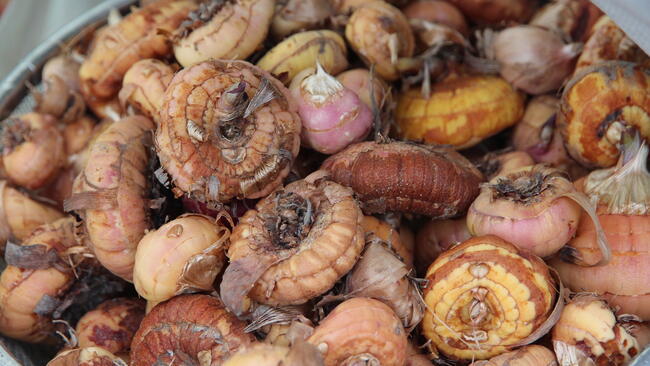
- Size matters: Larger bulbs produce stronger plants and more abundant blooms.
- Freshness counts: Select bulbs that are fresh and firm, not brittle, rotted, or moldy. Avoid shriveled bulbs.
- Protective skins: Intact “tunics” shield bulbs from pests and disease.
- Storage tips: Plant bulbs promptly, or keep them cool (60°–65°F) until ready. Avoid heat above 70°F.
If wildlife like squirrels, deer, or voles are an issue, consider wire cages or pest-resistant varieties like daffodils. For more on protecting bulbs, explore rodent-proof bulbs.
Where to Buy Bulbs for Fall Planting
For the best selection and quality, shop with trusted nurseries or local garden centers rather than big-box stores. Specialty online suppliers offer wider variety and expert guidance. Order early—most nurseries ship bulbs September through October. Plant extra bulbs for cutting and indoor color!
When to Order Bulbs for Fall Planting
Most garden stores start carrying fall bulbs by mid-September. You can also order special bulbs months in advance from online nurseries to ensure you get your preferred varieties. These nurseries typically hold shipments until the proper planting time in the fall, and delivery usually takes no more than 1 to 2 weeks.
How to Plant Fall Bulbs
Planting bulbs is generally an easy task—unless you’ve ordered hundreds! Still, a few key tips will help you get it right:
- Choose a sunny spot: Bulbs need at least partial sun in spring. They thrive under trees, in drifts, or in containers with spring annuals.
- Ensure good drainage: Add compost or organic matter to prevent rot. In sandy soil, plant a little deeper; in clay, plant slightly shallower.
- Plant point-side up: Always set bulbs with the tip facing upward and roots down.
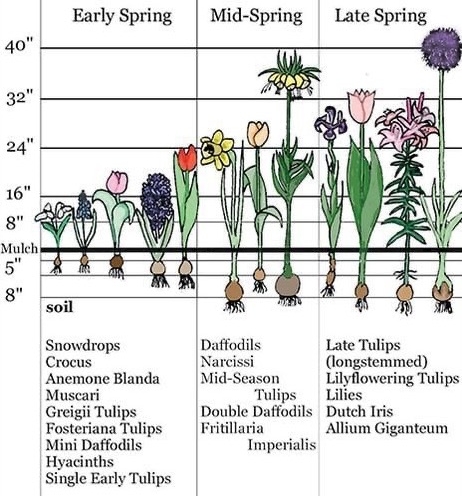
- Plant at the right depth: Generally, plant bulbs three times as deep as their width. See our planting chart for specifics.
- Stagger bloom times: Mix early-, mid-, and late-season bulbs for continuous spring color.
- Positioning: Place shorter bulbs toward the front of beds for visibility.
- Plant generously: Some bulbs may not sprout or could be eaten. Plant in clusters or en masse for dramatic displays.
- Tools: Hand-planting works fine; use a shovel for multiple bulbs.
Planting Depth vs. Flower Height: Taller bulbs like daffodils and tulips go deeper; smaller bulbs like crocuses stay closer to the surface.
Caring for Bulbs After Planting
- Fertilize if needed: Use a low-nitrogen formula (like 9-6-6) applied around the bulbs, not in the hole.
- Water deeply: Soak to the full planting depth, then again before the ground freezes.
- Mulch: A 2- to 3-inch layer retains moisture, suppresses weeds, and prevents frost heave.
- Spring watering: Water weekly during dry spells while flowers are growing.
- Fertilize rebloomers: Top-dress again when shoots appear for bulbs you hope to return.
See our article on what to do with flower bulbs after they bloom.
Troubleshooting Common Bulb Problems
Even the most foolproof bulbs can run into a little trouble. Here’s how to head off the usual suspects before they ruin your spring show.
No blooms: Planting too shallow, crowded beds, or too much shade can prevent flowering.
Wildlife losses: Squirrels and voles may eat bulbs; choose resistant varieties or use cages.
Rot: Bulbs in soggy soil can rot; amend soil and mound beds if needed.
Frost heave: Mulch protects bulbs from freeze-thaw cycles.
Nothing came up: Use fresh, firm bulbs and check expiration dates.
Happy Bulb Planting!
Whether tucking daffodils under trees or dreaming of tulips by the mailbox, planting bulbs in fall is a little act of faith—and a big reward come spring. Give them good soil, a cozy bed, and a bit of patience, and they’ll surprise you when winter fades.
Got a favorite bulb or a squirrel survival story? We’d love to hear it. Share your triumphs (and trials) in the comments below. Until then, may your bulbs sleep well and wake up blooming.


Getting Started with Flower Gardening
Building a Raised Flower Bed Garden
Choosing Flowers
Types of Flower Gardens
Growing Flowers in Containers
Spring and Fall Bulbs
Caring for Flowers

Spring-flowering bulbs need between 90 and 120 days in the ground to come up and bloom in the spring, so they should be planted soon, despite the warm temperatures. Also, you want to get them planted before they start sprouting.
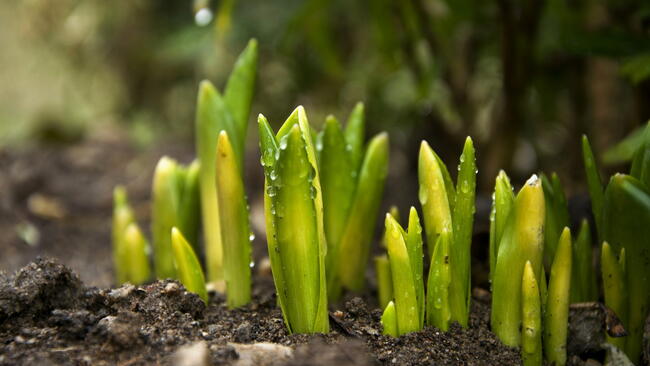
Your bulbs should be fine, Maria; the warm spell is not expected to last. Apply another inch or two of mulch to the areas in which you planted the bulbs, covering any tips that may be showing. Leave the mulch until early spring. While it is not uncommon for bulbs to "pop" during an uncommonly warm fall spell, it's also possible that you did not plant the bulbs quite deep enough. There is nothing you can do about it now, but if that is a concern, consider lifting (removing) them late next summer—long after they've flowered and after the foliage has died—and reset them a little deeper.
In the meantime, the blanket of mulch will halt their growth—and protect them for potentially damaging thaws and freezes in winter. You should get plenty og flowers!
It's true that the tubers may rot if the plants have received too much water. It is suggested that dahlias get watered deeply 2 to 3 times a week. It is a good idea to gently dig up a tuber and see if it is rotten or if it has any new growth showing.
You have not necessarily done anything wrong. Tulip foliage precedes the flower. You're in the northern part of the US. So you are in the part that warms up later than more southerly parts of the US. And you have not indicated whether you planted early, mid, or late season tulips (the packaging usually indicates wich part of the season the bulbs within will bloom).
So wait a while. Let nature take its course.
- « Previous
- 1
- 2
- …
- 10
- Next »

Comments