
Harvesting
When to Harvest
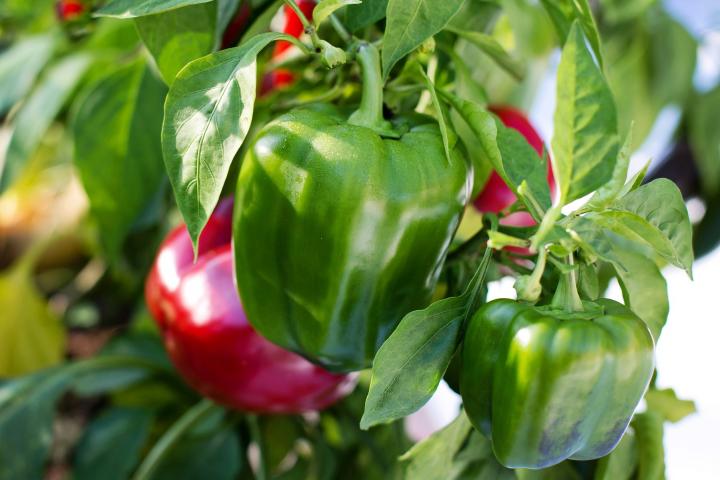
Begin harvesting bell peppers as soon as the plants begin fruiting and the peppers reach a usable size. You can harvest bell peppers when they’re green or when they reach their mature color, which may be red, orange, yellow, or even purple depending on the variety. Harvesting regularly prompts pepper plants to produce more fruit and safeguards harvests from pest damage; however, bell peppers get sweeter the longer they stay on the plant.
How to Harvest
To harvest bell peppers, hold the pepper stem and snip the stem off the plant with a clean pair of pruners, scissors, or a sharp knife. Don’t pull bell peppers off the plant as this can cause significant damage and make peppers less productive.
Storage
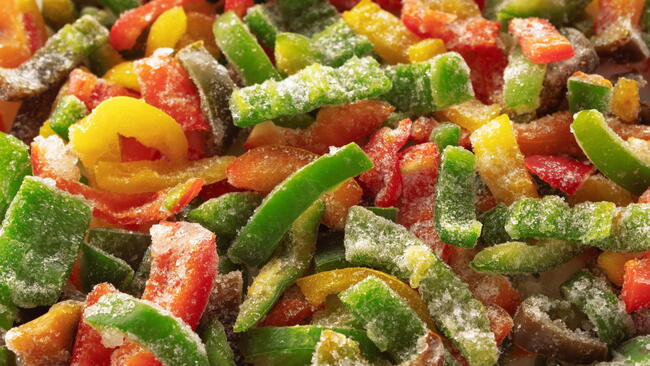
After harvesting, bell peppers should stay fresh in the cripsper drawer of your fridge for up to 10 days. For longer storage, you can also chop and freeze bell peppers, or wash, de-seed, chop and dry them in an oven or dehydrator set at 140°F for 4 to 6 hours.
Types
Look for varieties that ripen to their full color quickly; fully mature peppers are the most nutritious—and tastier, too!
- Green peppers that turn Red: ‘Lady Bell’, ‘Gypsy’, ‘Bell Boy’, ‘Lipstick’
- Orange: ‘Milena’, ‘Orange Sun’
- Yellow: ‘Golden California Wonder’

Comments

It will depend on the variety. Check the name on the plant tag or seed packet. Depending on the type, and growing conditions, the fruits can range from between 1.5 and 7 inches long. Plant heights can range from 6 inches to 5 feet tall, again depending on the type and your local growing conditions. 'Big Bertha', for example, can grow up to 5 feet tall and bear fruit that is up to 7 inches long and 4 inches wide. 'Red Mini Bell', on the other hand, grows about 16 inches tall and bears fruit just 1.5 inches long and wide. A standard type, such as 'Sweet California Wonder', grows up to 2 feet tall and bears fruit about 4 inches long by 3.5 inches wide.
Depending on what weather you have had, it could be that cold temperatures are delaying sprouting, since pepper seeds like a warm soil temperature to germinate. Keep the soil moist (not soggy) to help penetrate the hard seed coat and help the seed germinate. The variety of pepper also affects how fast it will germinate: some hot peppers can take almost a month.
Cold temperatures can also slow plant growth (Look through the questions/answers below for similar problems.) If temperatures are still cool, you might place row covers over the plants to help keep them warm at night. Black plastic mulch helps to keep the soil warm.
As to whether sowing seeds now will give the plants enough time to produce, check this page and put in your zip code to determine best times for your area:
http://www.almanac.com/gardening/planting-dates/
In some areas, sowing now through end of June should be fine for a Setember/October harvest.
It seems that several gardeners are having the same problem (see questions/answer below), probably because of cooler temperatures (or the temperature fluctuations). You might want to pick the fruit and allow the plants to get taller; side dress the area with a bit of balanced fertilizer to encourage more plant growth.
- « Previous
- 1
- 2
- …
- 10
- Next »

Holes in peppers could be anything from worms to flee beetles to weevils. However, pest holes are not usually surrounded by black. Bacterial spot is a disease that causes small black spots; the spots are lesions, not holes. Most outbreaks are tied to the original seed or transplant which was infected. If this is the case, there is little you can do except buy sterile seed and avoid replanting in this area next year. Also, overhead irrigation and splashing of water on the plant can spread infection. (Watering should happen at base of plant and never overhead.) This is a difficult disease to control. There are sprays that can be used at an early stage. We would suggest you bring a sample to your local cooperative extension office or garden nursery to get a confirmed diagnosis.