Caption
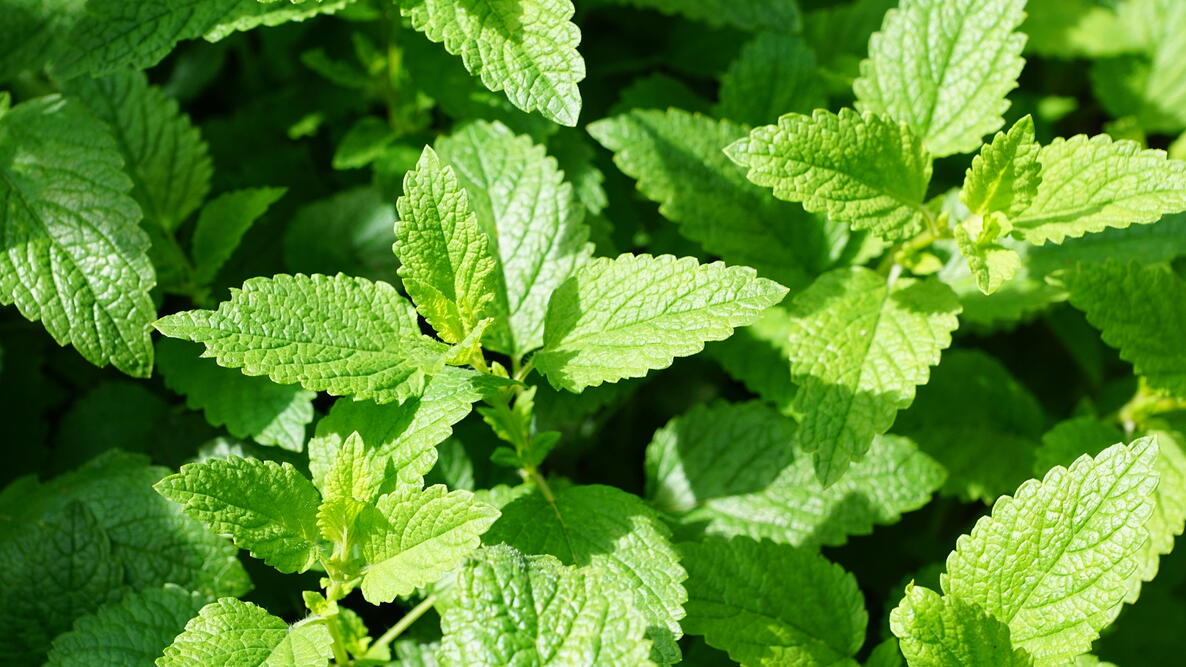
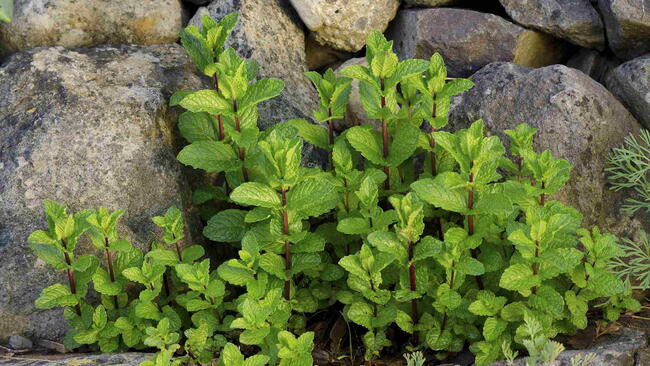
Mint is an easy herb to grow in your garden and can add flavor to every meal.
Growing
- Minimal care is needed for mint. For outdoor plants, use a light mulch. This will help keep the soil moist and keep the leaves clean.
- Indoor plants should be watered regularly to keep the soil evenly moist.
- At first, mints develop into well-behaved-looking, bushy, upright clumps, but they soon set out to conquer new territory with horizontal runners and underground rhizomes. Unless you block the advance, a peppermint plant can become a sprawling 4-foot giant in just 1 year. It’s not the stuff of horror movies, however. Mints benefit from picking and pruning. They are shallow-rooted and easy to pull out, so there’s no reason to worry as long as you provide physical barriers such as walls, walkways, or containers.
Harvesting
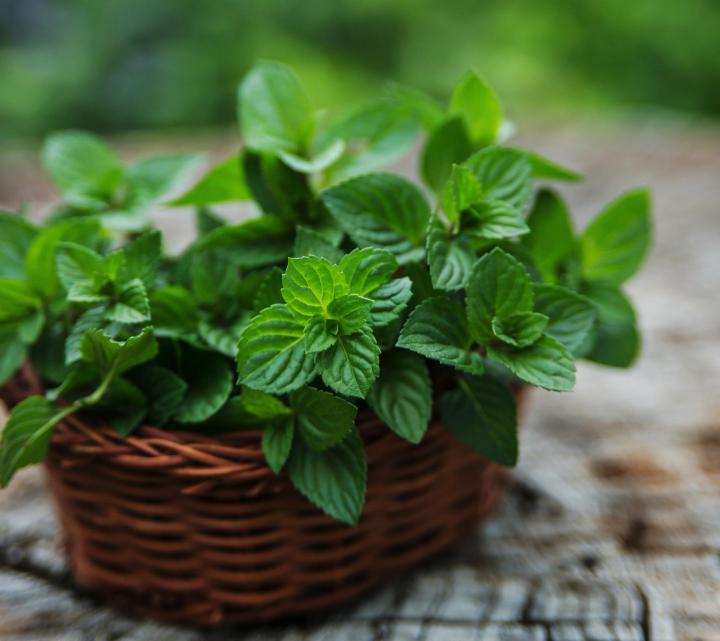
- Frequent harvesting is the key to keeping mint plants at their best. Young leaves have more flavor than old ones, and mint can be harvested as soon as it comes up in spring. Although fresh is best, and sprigs should be kept in water for a few days, mint leaves can be frozen or air-dried in bunches.
- Right before flowering, cut the stems 1 inch from the ground. You can harvest one mint plant two or three times in one growing season.
- You can also pick the leaves as you need them.
- You can grow the plants indoors for fresh leaves throughout the winter. If you want to dry them, it’s best to cut the leaves right before flowering. Store the dried leaves in an airtight container.
Propagating Mint
The best way to propagate mints is by taking cuttings from those that you like best. It’s easy—take 6-inch cuttings of rooted stems and plant them horizontally in the soil. Mint stems will also root in a glass of water. Start with a small cutting from an established plant. Any gardening friend will give you a cutting of a favorite mint.

Pests and Problems
- Powdery mildew
- Rust
- Leaf spot
- Anthracnose
- Stem canker
- Mice dislike the smell of peppermint. Spread it liberally where you suspect the critters. Mint is also considered a deer-resistant plant.
Types
- Apple/Pineapple Mint: Mentha suaveolens
- Corsican Mint: Mentha requienii
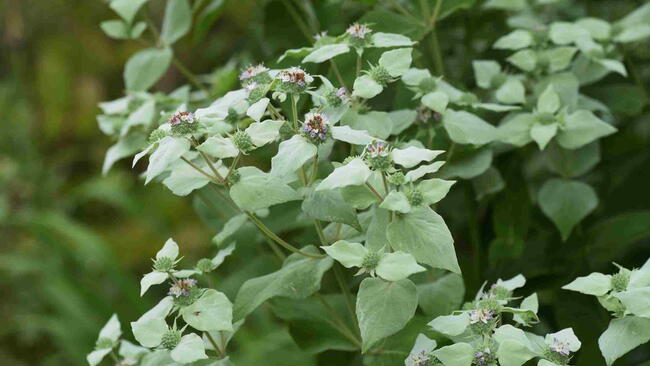
- Pennyroyal: Mentha pulegium
- Peppermint: Mentha x piperita
- Citrus Mint: Mentha x piperita var. citrata
- Spearmint: Mentha spicata

More Like This

Comments

Your plant could be infested with spittle bug; it produces milky white substance. It is believed not to harm the plant, but you can eliminate it by hosing/watering it off of the plant (a rain will often be enough). The bugs hide under the foam, so washing it off will reveal them to predators—ladybugs and lacywings (if there are any) who will have the spittlebugs for lunch.
We hope this helps.
Certainly! You can use dried mint in your own blend of teas (both iced and hot), or add it to sauces, soups, veggies, casseroles, salad dressings, spice rubs on meat, baked goods--all sorts of options for foods. For health, some people like to place dried mint (sometimes mixed with other dried herbs) in cheesecloth or muslin bags and then let it soak in their bath water, to add soothing fragrance. Tinctures to relieve digestive troubles can also be made with dried mint. Dried mint is also used in potpourris, sachets, soaps, etc. Hope this helps!
- « Previous
- 1
- 2
- …
- 10
- Next »

Sam, Here are a couple .edu references on light requirements for mint. The information is fairly consistent.
"Most herbs need six hours minimum of direct sunlight. Either place herbs in a sunny location, for example, near a window with a southern exposure, or place herbs 6 to 12 inches from two 40 watt, cool white fluorescent bulbs for 14 to 16 hours." Reference: Growing Herbs Indoors
"Most herbs require at least 6 hours of direct sunlight in order to grow well. All-day sun is even better. Seeds may be started indoors under fluorescent lights during the late winter months. Lights should be set for 14-16 hours daily, placed approximately four to six inches above the seedlings and raised as they grow, to maintain that distance." Reference: UMN Herbs