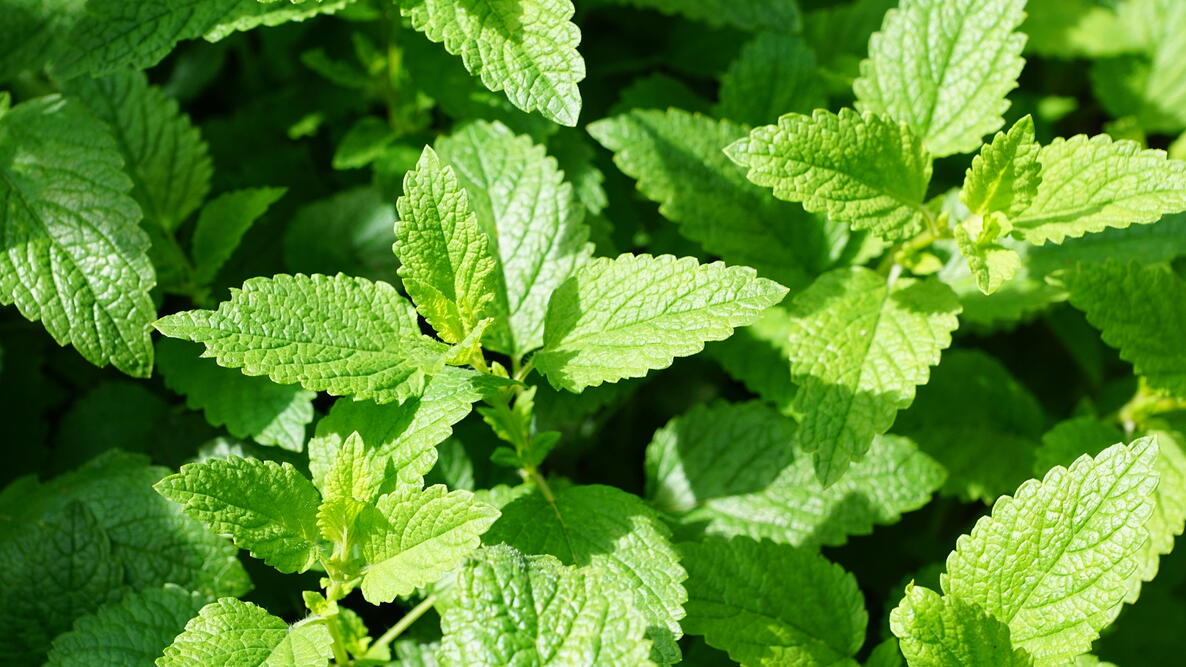
Caption
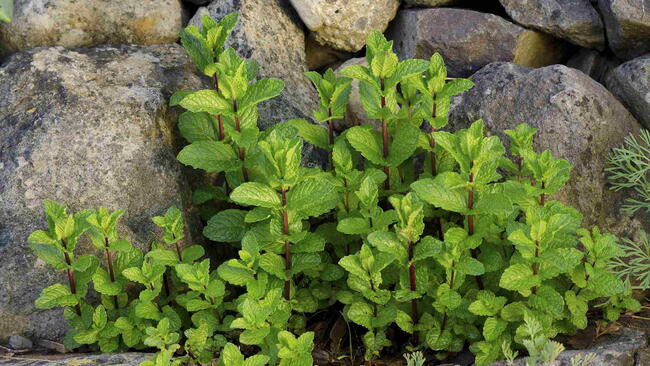
Mint is an easy herb to grow in your garden and can add flavor to every meal.
Growing
- Minimal care is needed for mint. For outdoor plants, use a light mulch. This will help keep the soil moist and keep the leaves clean.
- Indoor plants should be watered regularly to keep the soil evenly moist.
- At first, mints develop into well-behaved-looking, bushy, upright clumps, but they soon set out to conquer new territory with horizontal runners and underground rhizomes. Unless you block the advance, a peppermint plant can become a sprawling 4-foot giant in just 1 year. It’s not the stuff of horror movies, however. Mints benefit from picking and pruning. They are shallow-rooted and easy to pull out, so there’s no reason to worry as long as you provide physical barriers such as walls, walkways, or containers.
Harvesting
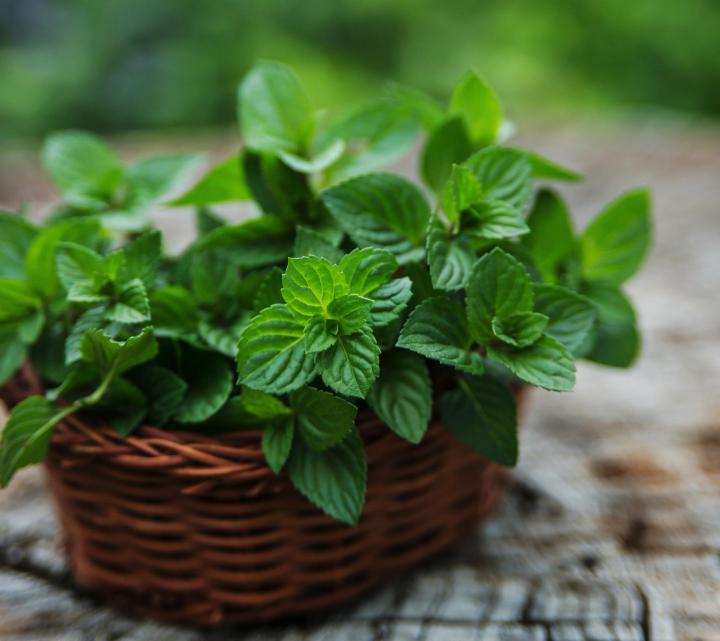
- Frequent harvesting is the key to keeping mint plants at their best. Young leaves have more flavor than old ones, and mint can be harvested as soon as it comes up in spring. Although fresh is best, and sprigs should be kept in water for a few days, mint leaves can be frozen or air-dried in bunches.
- Right before flowering, cut the stems 1 inch from the ground. You can harvest one mint plant two or three times in one growing season.
- You can also pick the leaves as you need them.
- You can grow the plants indoors for fresh leaves throughout the winter. If you want to dry them, it’s best to cut the leaves right before flowering. Store the dried leaves in an airtight container.
Propagating Mint
The best way to propagate mints is by taking cuttings from those that you like best. It’s easy—take 6-inch cuttings of rooted stems and plant them horizontally in the soil. Mint stems will also root in a glass of water. Start with a small cutting from an established plant. Any gardening friend will give you a cutting of a favorite mint.

Pests and Problems
- Powdery mildew
- Rust
- Leaf spot
- Anthracnose
- Stem canker
- Mice dislike the smell of peppermint. Spread it liberally where you suspect the critters. Mint is also considered a deer-resistant plant.
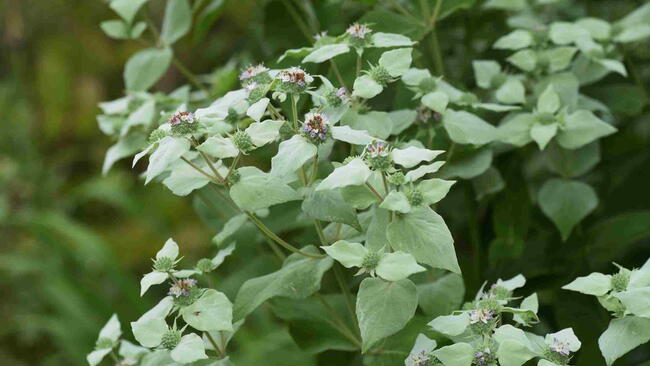
Types
- Apple/Pineapple Mint: Mentha suaveolens
- Corsican Mint: Mentha requienii
- Pennyroyal: Mentha pulegium
- Peppermint: Mentha x piperita
- Citrus Mint: Mentha x piperita var. citrata
- Spearmint: Mentha spicata

More Like This


Comments

Yes, you can grow mint in the desert southwest. Although mint prefers it cool and moist, it tolerates a wide range of conditions. The key is to keep the soil moist and to provide shade during hot afternoons, such as by using a shade cloth. You can also plant in part shade.
We do not sell plants, but you might check local garden centers or online for mailorder nurseries that sell to your area.
Brown leaves could mean several things. Best guess is that it is getting too much water. Even though it likes moist soil, make sure that the soil is not waterlogged. Test the soil: if it feels dry, or almost dry, then water. If it is moist or soggy, do not water; cut back on the watering schedule a bit and remove the brown leaves. Make sure there is a drainage hole in the bottom of the pot. Other causes could be viruses or fungal diseases, or pests, overcrowded roots, etc.
Mint can be grown in Zones 8 and 9, but in hot summers, you'll need to have it in partial shade and be sure that it is kept moist (but not waterlogged). Morning sun and afternoon partial shade is good.
Mint can be grown in pots indoors, but will need adequate light. Try a sunny window, and turn the plant every few days; if your plant is not happy, then you might try adding some artificial grow lights, found at garden centers, to supplement. Keep the plant moist, but not waterlogged, and you might mist it every so often.
- « Previous
- 1
- 2
- …
- 10
- Next »

Michigan is in Zones 4 to 6. Depending on where you are, emergence time will vary. It will also depend on local conditions and plant health. Best guess would be that you should see signs within the next 3 weeks. If nothing shows, it might be that the plants suffered from disease or pests, or water/freezing issues. Although most varieties of mint are quite hardy, some are more delicate and might struggle overwintering, depending on conditions. If you hadn't already, in future you might provide winter protection, such as moving the planter to an unheated garage, or covering the soil with a thick layer of mulch, or placing the entire container in a leaf bag and covering with leaves along the sides and top, so that any strong cold snaps would have less of a chance of hurting the dormant plant.