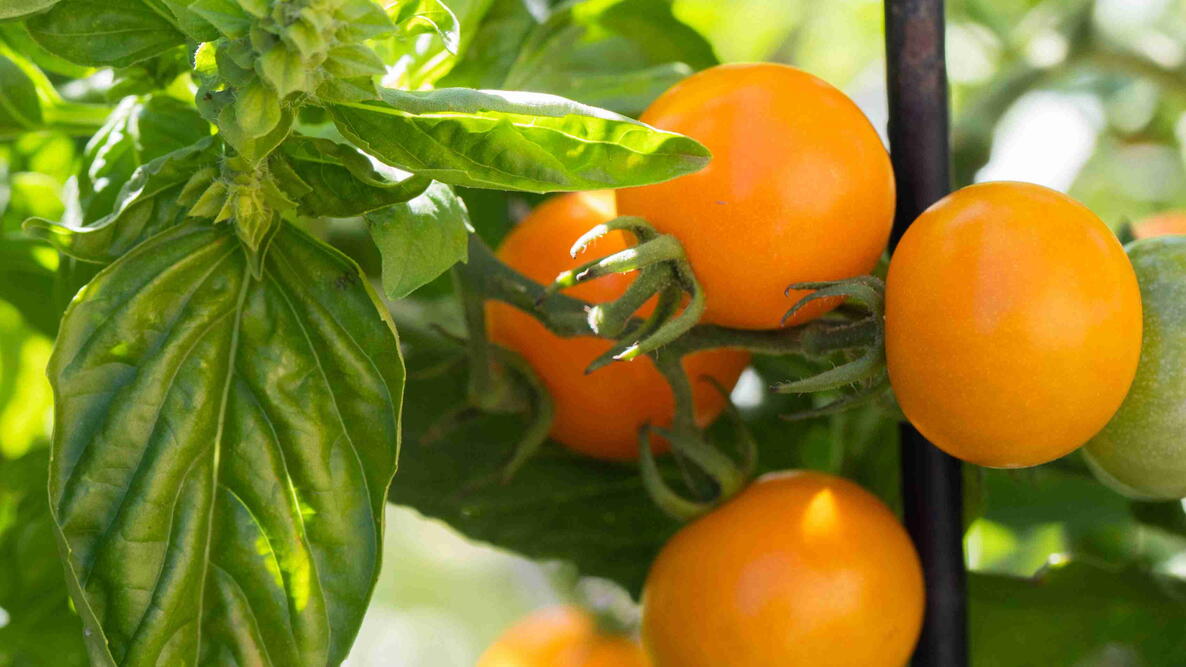
What should you plant next to tomatoes? Basil, marigolds, borage, and thyme are some of the best companion plants for tomatoes. Growing these plants nearby can help attract beneficial insects and keep some pesky pests at bay.
No one wants to find hornworms on their tomatoes! Whether you’re growing tomatoes in pots or garden beds, discover the best plant partners to grow nearby—and why these pairings work.
Best Companion Plants for Tomatoes
Companion planting means growing certain herbs, flowers, or vegetables near tomatoes to help them thrive. Use this chart to see what to plant nearby and why.
| Companion Plant | Why Grow It Nearby? |
|---|---|
| Basil | Helps deter certain tomato pests |
| Marigolds | Can reduce whitefly populations |
| Borage | Attracts beneficial insects |
| Thyme | May discourage certain caterpillar pests |
| Sweet alyssum | Attracts aphid-eating hoverflies |
| Dill | Attracts beneficial insects |
| Parsley | Flowers attract beneficial insects |
| Radishes | Make efficient use of garden space |
| Bush beans | Contribute to long-term soil fertility |
| Alliums | Compact plants that share garden space |
Why Grow Companion Plants With Tomatoes?
Growing tomatoes near certain strongly scented herbs and flowers can help protect them from pests. Some plants mask the scent of tomatoes, making them harder for insects to find, while others attract beneficial bugs that feed on common tomato pests. But natural pest control isn’t the only perk of companion planting!
The right tomato companions may help you:
- Reduce hornworm damage. Basil can interfere with tomato hornworm moths laying eggs, while thyme may discourage certain armyworm moths.
- Manage whiteflies and aphids. French marigolds can help reduce whitefly populations, while sweet alyssum attracts hoverflies whose larvae feed on aphids.
- Attract helpful pollinators. Flowering companions like borage attract bumblebees, which can help pollinate tomato flowers through their vibrations.
- Make better use of garden space. Quick-growing radishes can be harvested before tomato plants spread, while smaller herbs and flowers can fill gaps without crowding tomatoes.
Companion planting won’t eliminate every pest, but it’s a natural way to support healthier tomato plants and boost your garden’s productivity.
What to Plant With Tomatoes
Tomatoes come in different sizes, and the best companions depend on your available garden space. If you’re growing large, indeterminate tomatoes, be mindful of spacing so nearby plants don’t get smothered by fast-growing vines. Smaller herbs and flowers often do better alongside potted tomatoes.
Basil
Basil and tomatoes don’t just go well together in the kitchen. They’re also one of the best plant pairings in the garden!
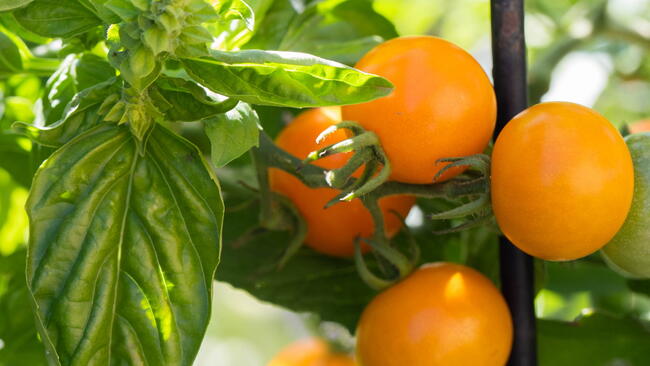
When grown together, taller tomato plants can offer basil a little afternoon shade in hot weather. In return, basil can help protect tomatoes from certain pests. Research shows that basil can make it harder for thrips to find tomato plants and discourage tomato hornworm moths from laying eggs nearby.
Gardeners also swear that growing basil with tomatoes improves their flavor, although that hasn’t been scientifically established. Either way, they’re both must-haves if you want to make your own pizza and pasta sauces!
Borage
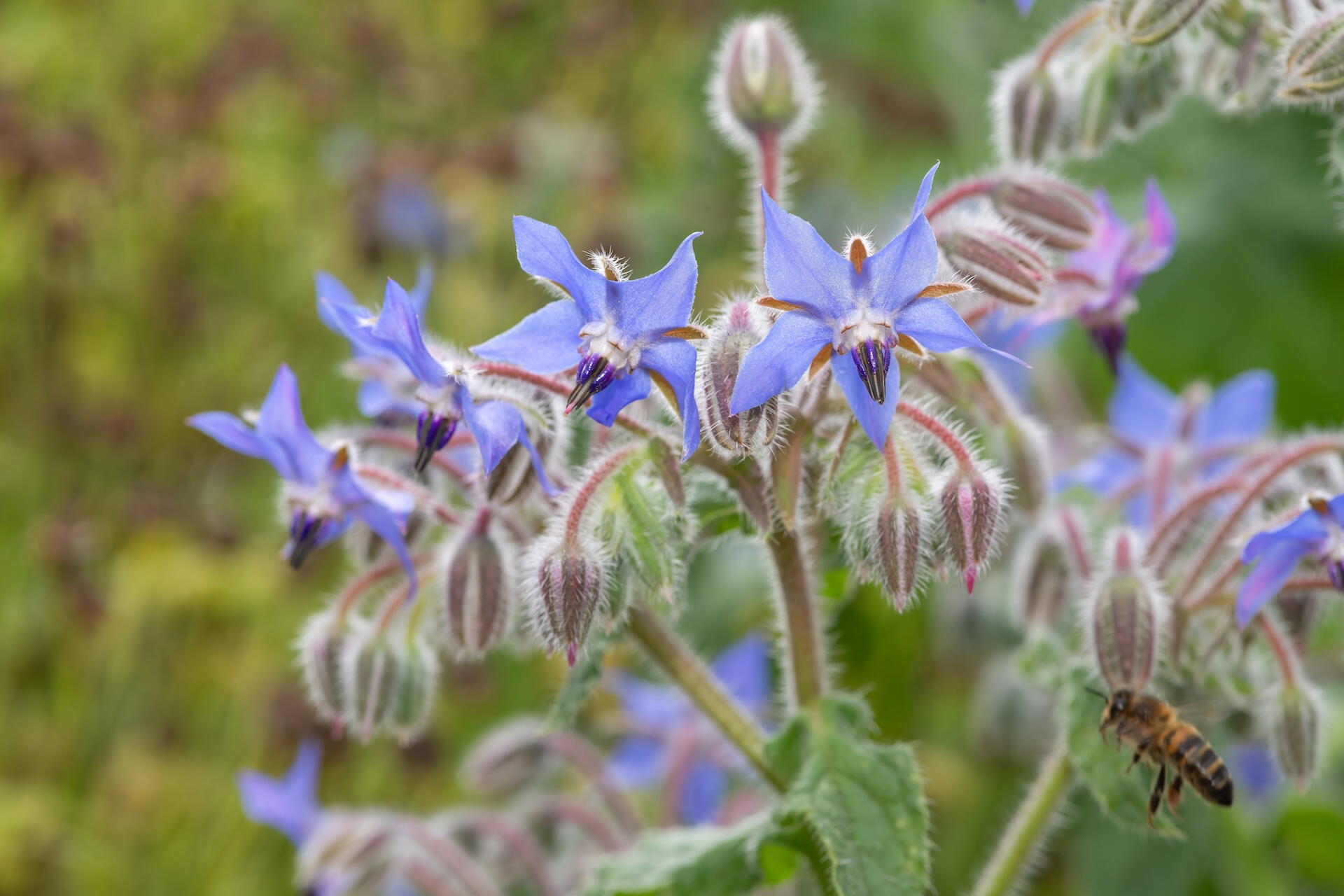
Hornworms can be one of the most devastating tomato pests, sometimes stripping plants of leaves and damaging developing fruit. While borage is traditionally grown near tomatoes to discourage hornworms, there’s little scientific evidence that it actually repels them.
What borage does offer is an abundance of star-shaped flowers that attract bees and other beneficial insects to the garden. Plus, its edible flowers and young leaves add a cucumber-like flavor to fresh tomato salads. Just give borage some room—it can grow up to 3 feet tall!
Sweet Alyssum
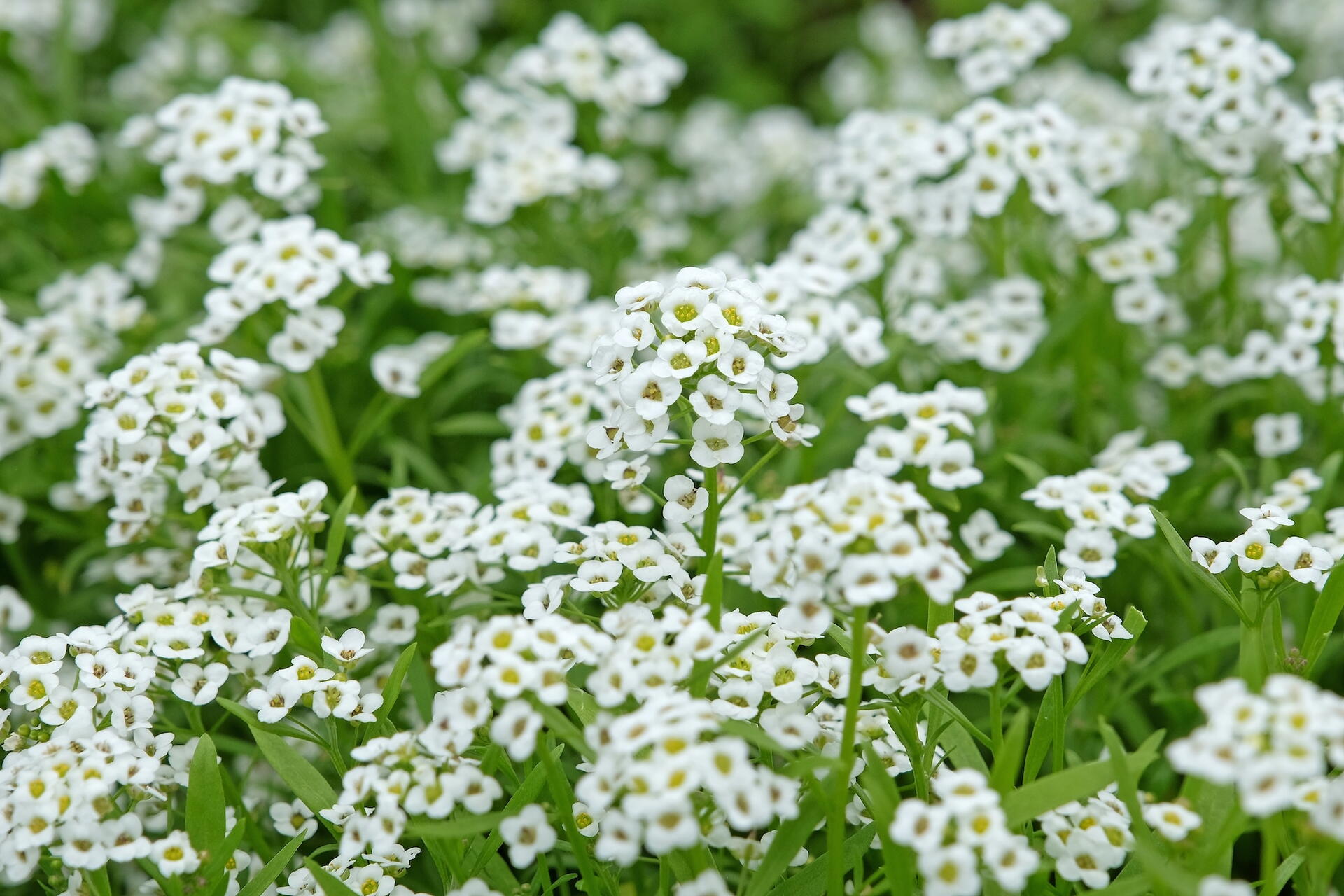
Sweet alyssum may look dainty with its pretty purple and white blooms, but it’s a powerhouse in the vegetable garden! Its tiny flowers attract beneficial insects like hoverflies, whose larvae feed on aphids and help keep these pests in check.
Sweet alyssum also grows low to the ground, making it easy to tuck around the edges of tomato beds or containers without taking up much space.
Dill
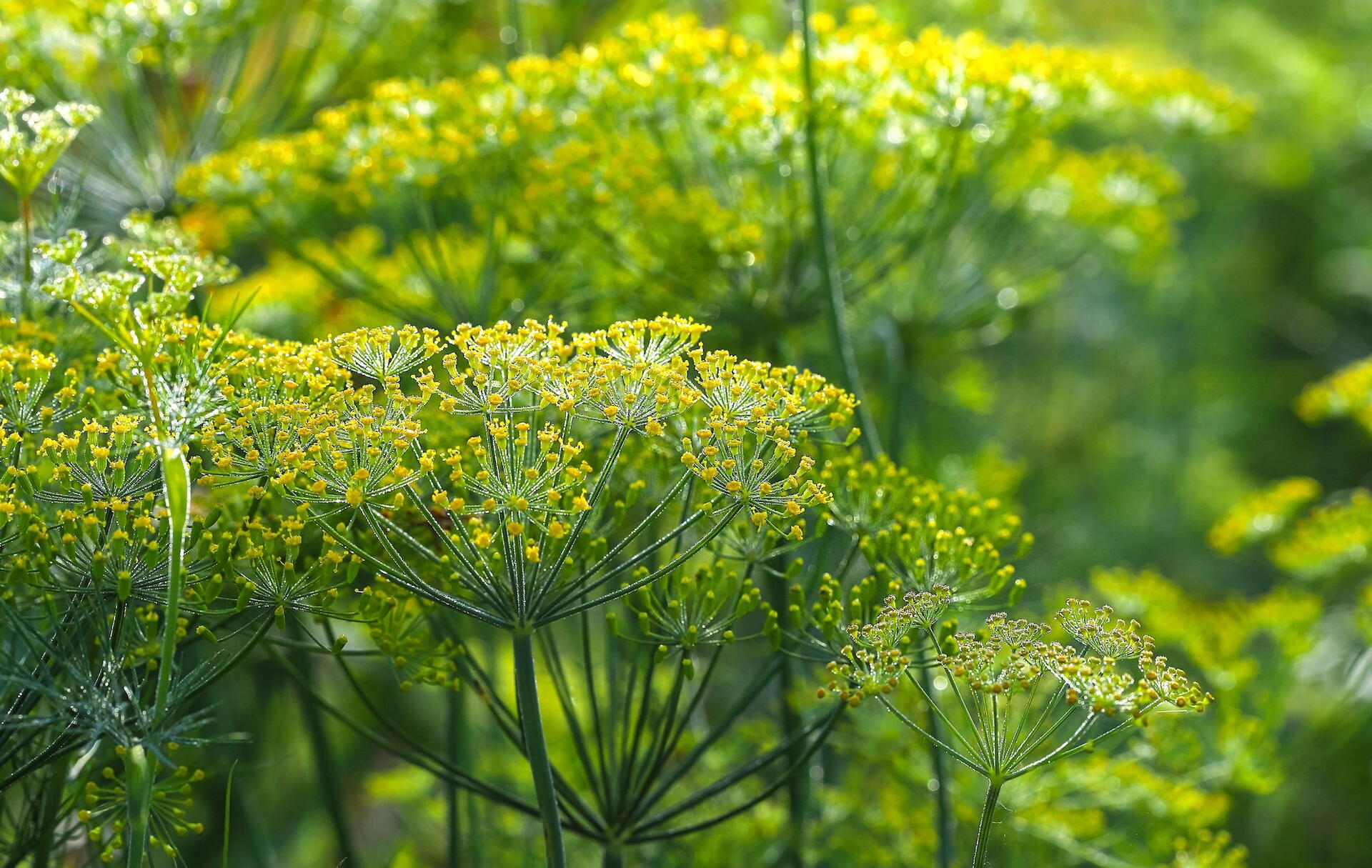
Another fantastic plant for attracting beneficial bugs, dill draws in hoverflies and tiny parasitic wasps that help control garden pests, including aphids.
One tricky thing about growing dill is that it bolts quickly in hot weather. But that’s actually a boon for companion planting! Flowering dill provides nectar and pollen for beneficial insects, so letting a few plants bloom can be a real advantage.
Radishes
Radishes are some of the fastest-growing crops you can find, and if you plant them around your tomatoes, you can usually squeeze in a radish harvest or two before your tomato plants start producing.
These quick-growing vegetables use garden space well while tomato plants are still small. Just plant radishes early in the season, when temperatures are cool, and harvest them before your tomatoes spread out and shade the soil.
Thyme
Thyme can flavor a variety of tomato dishes, but in the garden, it can also help protect tomatoes from certain pests. When planted beneath tomato plants, low-growing thyme can discourage yellow-striped armyworm moths from laying eggs, reducing the risk of caterpillar damage.
Keep in mind that thyme grows perennially in many areas, so give it a little space to spread out.
Alliums
Garlic, onions, chives, and other alliums produce a strong, sulfur-like aroma that may help deter certain pests. But pest control isn’t the only reason to grow them near tomatoes!
Interplanting tomatoes with onions or chives can help you use garden space better, as long as the plants have enough room to grow. If you’re working with a container garden, chives thrive in pots and are easy to keep alongside tomatoes on a balcony or patio.
Parsley
Parsley isn’t just a handy herb to have around for cooking! When allowed to flower, parsley attracts beneficial insects, including tiny parasitic wasps and hoverflies that help manage garden pests.
Parsley is a biennial, so it typically produces flowers in its second year. If you have room, let a few plants bloom near your tomatoes while keeping younger parsley plants for harvesting fresh leaves.
Bush Beans
Beans and peas belong to the legume family, which means they can capture nitrogen from the air with the help of beneficial soil bacteria. While they won’t directly feed neighboring tomatoes, they can contribute to soil fertility as their roots and other plant material break down.
Bush beans are particularly good companions because they don’t need tall supports that could shade tomato plants. Peas also produce fabulously in cool weather, so growing them before or after your tomatoes can help extend your vegetable harvest season.
Marigolds
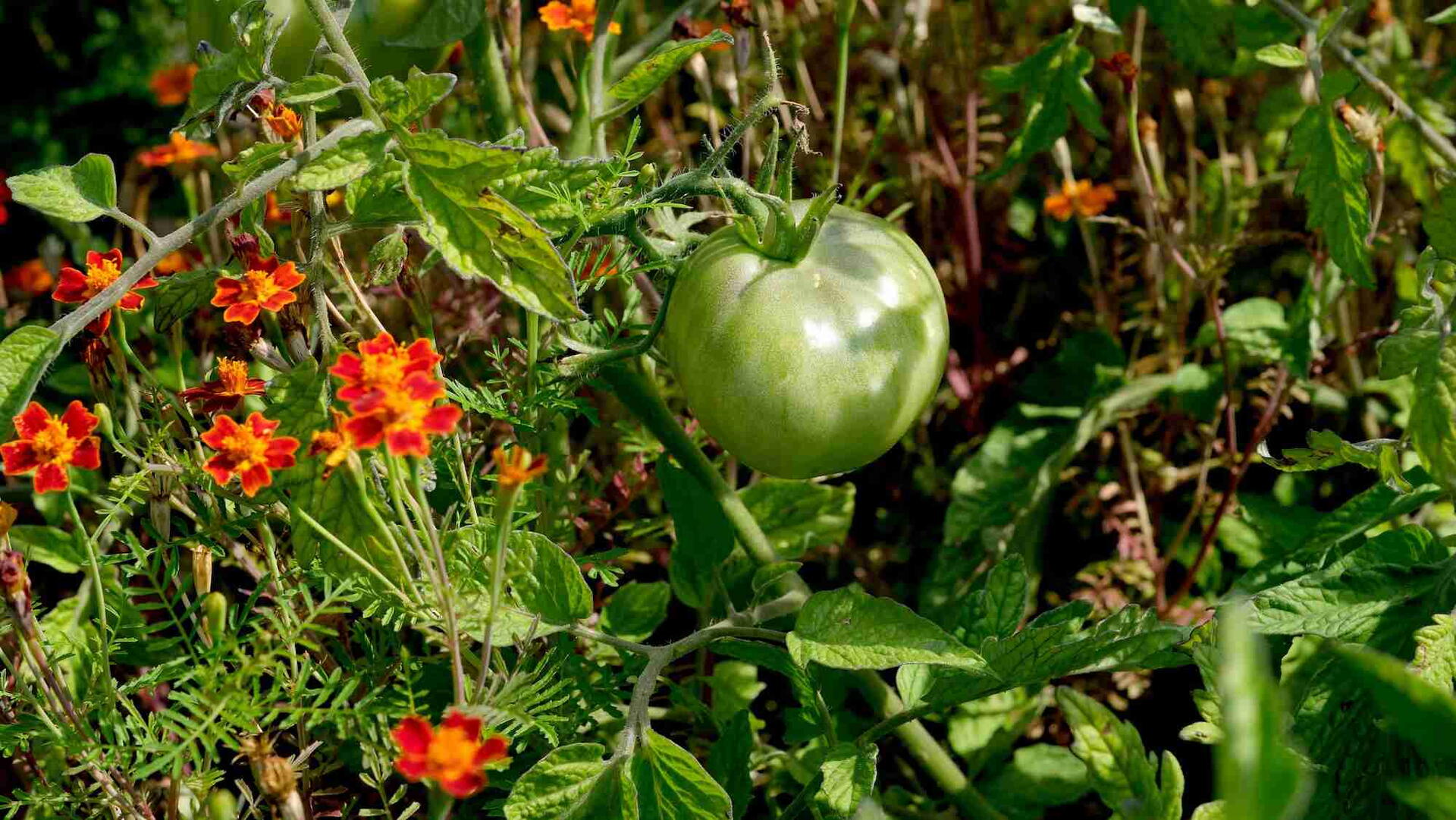
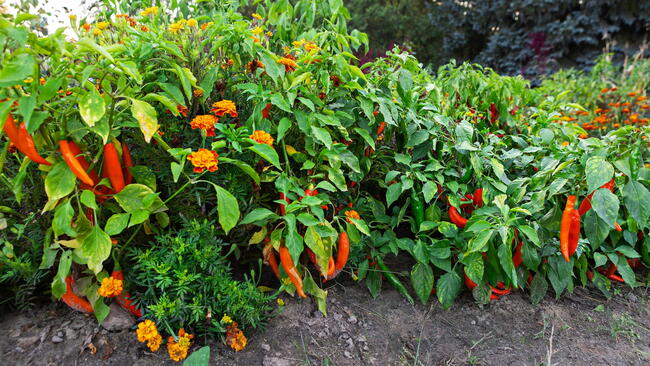
When grown alongside tomatoes or planted around the vegetable garden border, marigolds can help manage certain pests. Research has found that French marigolds, in particular, can reduce greenhouse whitefly populations on tomato plants.
Plus, pretty marigold blooms add visual appeal to veggie beds and containers while attracting beneficial insects. If you want to grow marigolds along your garden border, you can grow many more plants for less by starting them from seed indoors in spring.
What Shouldn’t I Plant Near Tomatoes?
Tomatoes can grow alongside many vegetables, herbs, and flowers, but they need plenty of sunlight, nutrients, and room for air to circulate. The biggest concerns are plants that compete for these resources or share the same diseases.
Give tomatoes plenty of room around:
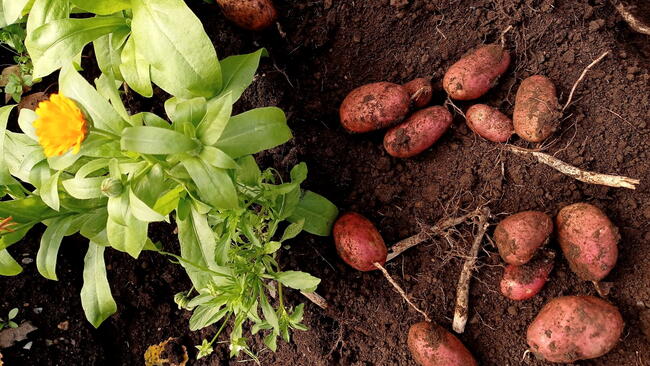
- Potatoes. Tomatoes and potatoes belong to the same plant family and can share diseases, including late blight. Growing them in separate areas can help reduce disease risks, although distance alone won’t prevent infection.
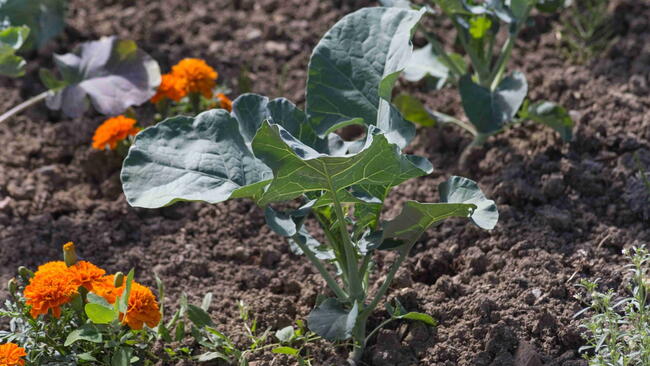
- Brassicas. Broccoli, cauliflower, and Brussels sprouts are also heavy feeders. Growing them too close to tomatoes can lead to competition for nutrients, water, and space.
- Fennel. Fennel is sometimes discouraged as a tomato companion because it may inhibit the growth of neighboring plants. However, evidence of this effect in home gardens is limited. Give fennel its own space to avoid crowding other vegetables.
With adequate spacing, water, and fertile soil, tomatoes can grow successfully near most garden vegetables. Focus on giving your tomato plants the conditions they need rather than following strict companion-planting rules.
For more on planting and growing tomatoes, see our complete Tomato Grow Guide.
Frequently Asked Questions
-
How close should companion plants be to tomatoes?
Companion plants can grow in the same garden bed, but leave enough space for your tomatoes to reach their mature size. Follow the recommended spacing for each plant, and keep air circulating around tomato foliage to help reduce disease problems.
-
Can you plant cucumbers and tomatoes together?
Yes! Cucumbers and tomatoes can grow in the same garden bed, provided they have enough room, sunlight, and water. Both plants can grow quite large, so use supports to keep vines from sprawling over each other and allow plenty of airflow.
-
What flowers should I plant near tomatoes?
Marigolds, borage, and sweet alyssum are excellent flowering companions for tomatoes. French marigolds can help reduce whitefly populations, while borage attracts bees and sweet alyssum draws in beneficial insects that feed on aphids.
Sources
- University of Minnesota Extension — Companion Planting in Home Gardens
- Penn State Extension — Herbs Make Good Plant Partners and Companions
- Conboy et al., PLOS ONE (2019) — Companion planting with French marigolds
- University of Massachusetts Amherst Extension — Insectary Plants: Flower Power for Natural Enemies of Vegetable Pests

More Like This

Comments