
Big, green, and hungry—tomato hornworms can wipe out your tomato crop almost overnight. These giant caterpillars love to feast on tomato leaves and fruit, and they won’t stop there. Peppers, eggplants, and potatoes are also on their menu.
”This one is nobody’s friend if you’re a gardener and like to grow tomatoes,” says entomologist Jeff Smith, curator of the Bohart Museum of Entomology’s Lepidoptera collection.
The good news is that these pests are easy to spot once you know what to look for, and they can be controlled without resorting to harsh chemicals. In this guide, learn how to identify tomato hornworms, understand their life cycle, and discover effective natural ways to get rid of them—plus tips to keep them from coming back next year.
🐛 Hornworms munching your tomatoes? Our Almanac Garden Club members get exclusive pest guides, expert webinars, and practical tips to protect their crops. Protect Your Garden Now.
What Are Tomato Hornworms?
If you’ve ever walked out to your tomato plants and found bare stems where lush foliage used to be, chances are hornworms were at work.
- The tomato hornworm (Manduca quinquemaculata) and the closely related tobacco hornworm (Manduca sexta) are garden pests found throughout most of the U.S. and southern Canada.
- Both species feed on plants in the nightshade family (Solanaceae): tomatoes, eggplants, peppers, tobacco, and potatoes.
- Because of their size and appetite, a small number of hornworms can defoliate plants quickly.
These pests are the larval stage of large night-flying moths (sphinx or hawk moths).

Identification
How to Identify Tomato Hornworms
Look for big, green worms on tomato plants! Hornworms are some of the largest caterpillars in the garden. Key features include:
- Color: Pale green with V-shaped white markings along the body
- Horn: Dark, pointed “horn” protruding from the rear
- Camouflage: Blends almost perfectly with tomato leaves, making them tricky to spot
- Size: Can reach up to 4–5 inches in length
Tip: Inspect your tomato plants daily. Check the undersides of leaves for eggs and watch for early signs of feeding damage.
Tomato Hornworm vs. Tobacco Hornworm
Both species damage tomato plants, but here’s how to tell them apart:
- Tomato hornworm: White V-shaped markings; black horn
- Tobacco hornworm: Diagonal white stripes with black spots; red horn
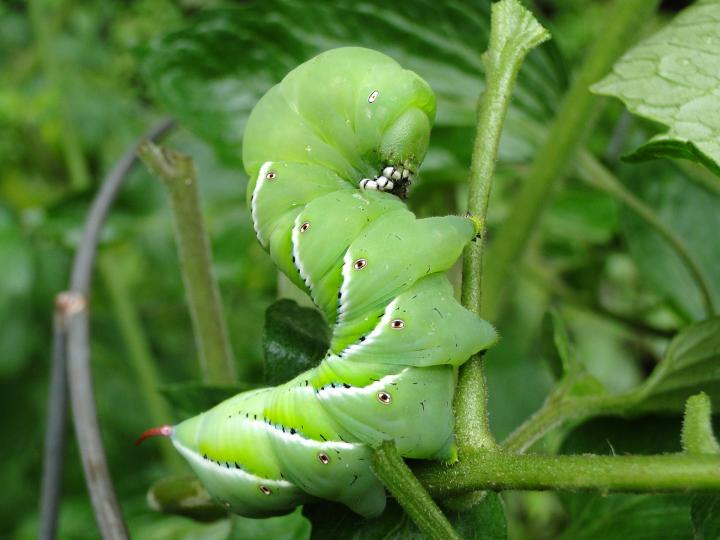
(It’s a tobacco hornworm! Notice the white stripes with dotted black lines and a red “horn.”)
Signs of Tomato Hornworm Damage
- Chewed or missing leaves, often starting at the top of the plant
- Wilted stems and bare stalks
- Dark green droppings (frass) on leaves or soil
- Chewed fruit and sunscald on tomatoes (caused by loss of leaf cover)
Tomato Hornworm Life Cycle
Understanding the life cycle helps you prevent infestations:
- Eggs: Laid on undersides of leaves in late spring; hatch within 1 week
- Larvae (hornworms): Feed heavily for 3–4 weeks
- Pupae: Burrow into soil to overwinter in a cocoon
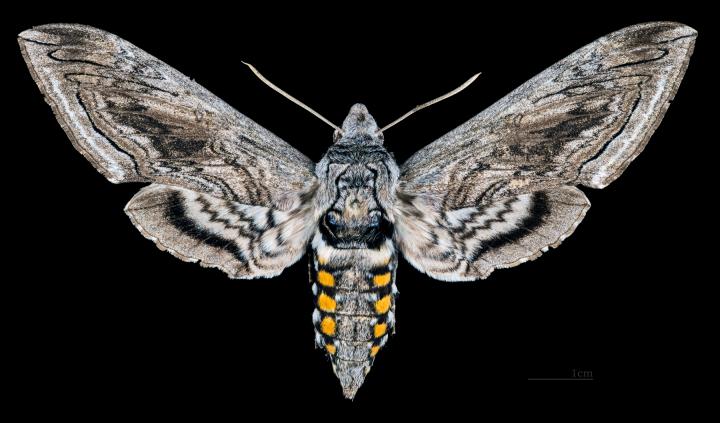
- Adult moths: Five-spotted hawk moths emerge in spring to repeat the cycle
In warmer regions, there may be two generations per year.
Control and Prevention
How to Get Rid of Tomato Hornworms
1. Handpicking
- The most effective method for small gardens:
- Check plants daily and remove caterpillars by hand
- Drop them in soapy water, or feed them to backyard chickens
2. Use Organic Controls
- Bacillus thuringiensis (Bt): A safe, natural bacterium that kills young caterpillars (must be ingested).
- Neem oil or insecticidal soap: Can work on small caterpillars, but less effective on large hornworms
3. Encourage Natural Predators
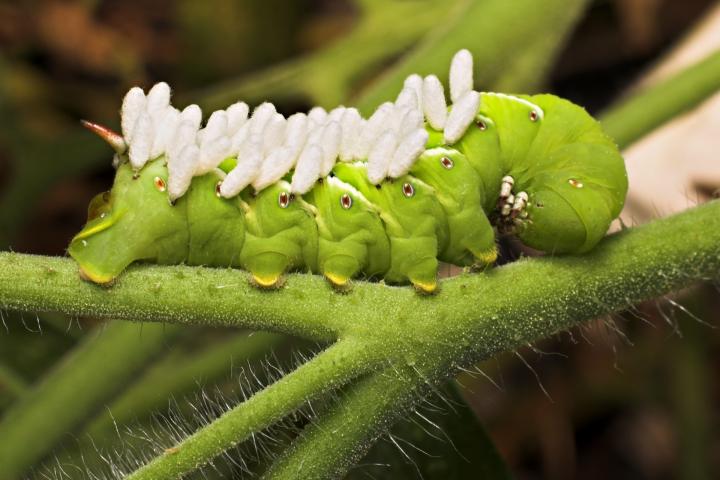
- Parasitic wasps lay eggs on hornworms (you may see white cocoons attached)
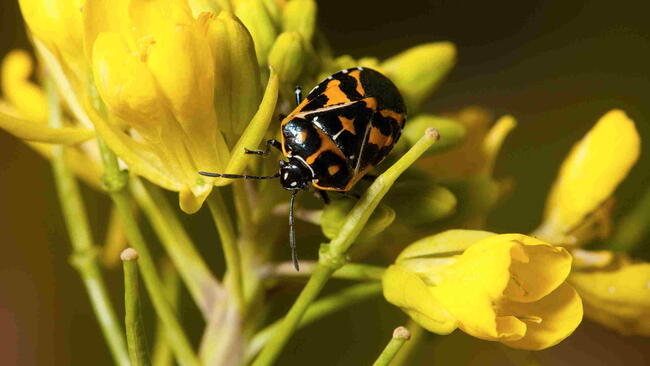
- Ladybugs, green lacewings, and birds also feed on eggs and larvae
If you find a hornworm covered with white cocoons, leave it—the wasps will do the control work for you
How to Prevent Hornworm Infestations
- Till soil in fall or spring to destroy overwintering pupae (up to 90% mortality)
- Rotate crops—avoid planting tomatoes in the same spot year after year
- Use companion planting: Interplant dill or basil to deter pests; plant marigolds at borders
- Attract beneficial insects by planting nectar-rich flowers
Frequently Asked Questions
Do tomato hornworms bite?
No. They look intimidating, but they cannot sting or bite humans.
What does a tomato hornworm turn into?
A large five-spotted hawk moth, also called a sphinx or hummingbird moth.
When do tomato hornworms appear?
Eggs are laid in late spring, and larvae are most destructive from June through August.
Can tomato hornworms eat other plants?
Yes. They also feed on peppers, potatoes, eggplants, and tobacco.
More Help for Gardeners: See our Garden Pest and Disease Library for tips on other common problems.
Do you have tomato hornworms? How do you handle them in the garden?

More Like This
Comments

Other than it being a icky job that could leave a stain, it is OK to crush them; it is a popular control method. For those who are squeamish about crushing so large an insect, though, dropping them into soapy water is less gooey. We'll revise the article so that it is clearer. Thank you!
- « Previous
- 1
- 2
- …
- 10
- Next »

Just had to share: My community garden has been plagued with hornworms for years. This year not so: I saw only two on my plants, and each was covered (and so destroyed) by tiny white wasp cocoons.
To attract parasitoid wasps, provide beneficial plants nearby, such as those in the carrot or cabbage families. Specifically you could include sunflowers, coriander, cornflowers, sweet alyssum, and asters.