Image Credit:
AJCespedes/Shutterstock

Jack everything you're describing to me sounds like the hay possibly has mycelium growing on it and while PWM is a fungal culture Mycelium in and of itself can be very very beneficial to plants/trees.
The Mycelium will grow throughout the same substrate the roots also colonize and create a symbiotic relationship with the roots themselves, while mycelium itself is started with other mediums hay is a much loved substrate to colonize after the mycelium has been birthed.
By using a layer of hay beneath your trees you've given the mycelium that was either spores lying dormant in wait or living mycelium beneath the hay previously a nice secondary substrate to grow through before expanding into the substrate your roots have begun colonizing.
I'm not going to pretend to know all the names of the different ways the relationship is symbiotic ;but I have recently been researching this topic a lot and can say for sure it's not just beneficial for one or 2 little things. I can't say that every strain of mycelium is going to be equally as beneficial obviously or even beneficial at all, some fungus (mycelium fruits fungus/mushrooms) like PWM use the plants themselves for hosts as mycelium itself does actually consume food rather than absorb nutrients through roots like plants ;but only certain types are threats to plants/trees.
Chances are the Mycelium you seen on the hay would take a very very long time (many seasons) to reach the top layer ;but if it does it could very well start fruiting some mushrooms annually if that's the type of mycelium you seen (not all types produce mushrooms of course). Many strains of mycelium have a natural fruiting time in Oct./ Nov. and also really thrives at that time of year so it makes sense for the time of year you seen it, which is another part of what you said that makes me feel it wasn't PWM at all.
"I spread hay down first before I mulched around the bottom of the trees. The hay I used has white powdery looking stuff in the middle of it, not knowing I put it down and put mulch on top of it. It is Nov 13th here in Wisconsin and cold out"
PWM wouldn't be living on hay at that time of year outside ;but mycelium definitely could! Laying down mulch on top of the hay is an interesting touch as many beneficial mycelium species really love wood as well!
Anyways I know my reply is very late ;but hope you still find some useful information here and if you enjoy gardening at any level I highly recommend further investigating yourself as mycology is a very interesting hobby to get into.
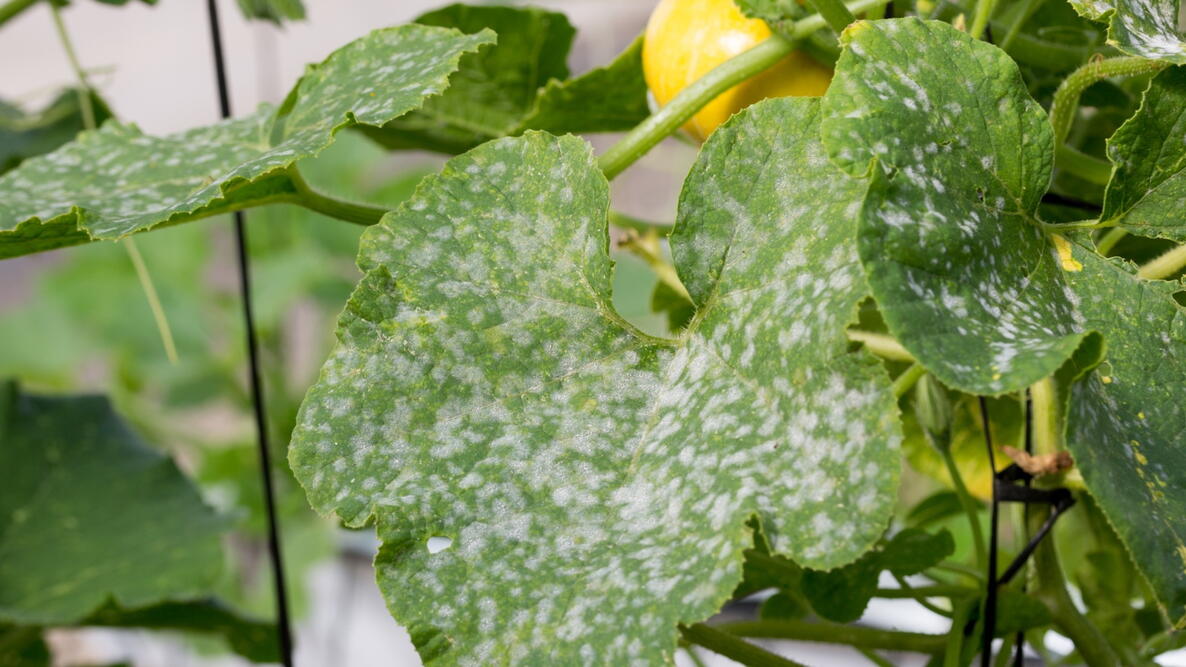
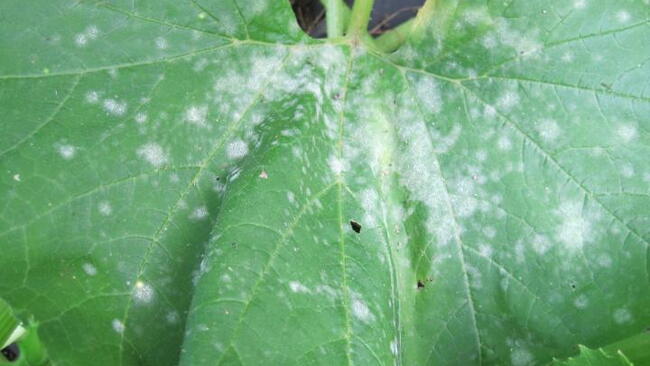
I have powdery mildew on my peonies. I sprayed with neem oil but now the plants look dry and damaged. Should I cut the plants all the way down? Will they come back next year if I do? Is there anything I can add to the soil? This is the second year this has happened to these plants. Last year I did not treat them with anything.
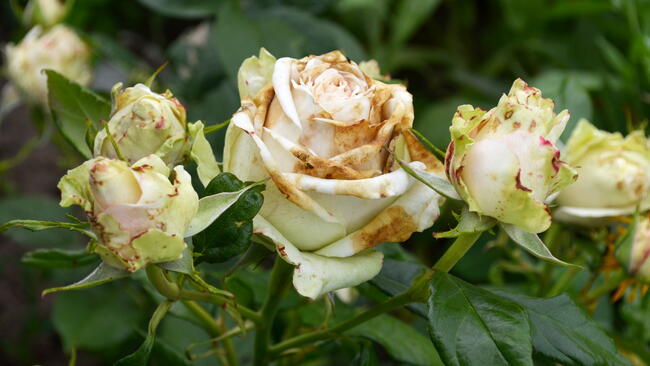
Every year after the season I start getting fungus on my peonies what can I use to prevent this.

Are your peonies crowded? You might try thinning them out, per above to improve circulation: Selectively prune overcrowded areas to increase air circulation; this also helps to reduce humidity around your plants.
You could also try the spray solution listed above:
- Mix 1 teaspoon baking soda in 1 quart of water. Spray plants thoroughly, as the solution will only kill fungus that it comes into contact with.
You mention to destroy plants and not compost. What method is best? Will burning cause the mildew spread to other plant? How about other diseases on plants, will burning spread disease?
Did you ever find if powdery mildew is spread by burning infected plants?
I have been doing a lot of research on powdery mildew. Temperatures above 90 degrees kill it.
Our concord grape vine seems to have "expired", after 5 years of fairly reliable fruity growth. How can I tell if I need to start over, or find some "life" in what remains? Sad. The neighboring vines are doing well.
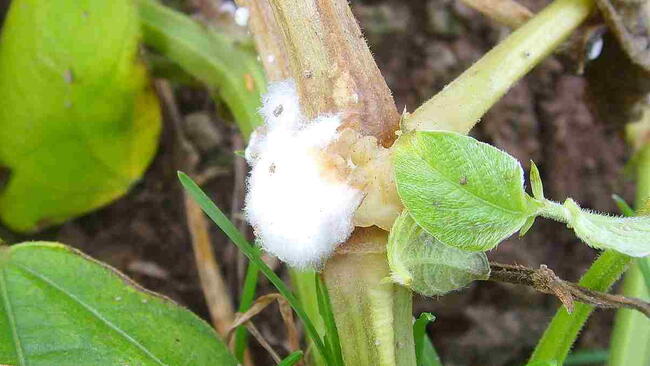
Would like to know what some white fuzzy looking stuff on the rosebuds might be and
what can be done to eliminate it.
Looks like the fuzz n peaches but is a bright white in colour
Sounds more like aphids to me. Roses are certainly prone to white mealy bugs. The “bright white” is what convinced me. Mildew isn’t typically bright white but the infuriating little critters definitely are.
If it’s them, alcohol will kill them only if it actually touches them. Neem will repel them. Most commercial pesticides are useless thanks to the typical resistance. I knock them off using water pressure and then use Neem to keep them off. Repeat as needed, at least 3 times since they’ll also dig into the soil plus you’re dealing with the juveniles and eggs.
If it’s a small houseplant I’ll pick them off or kill them individually with isopropyl alcohol. Again, retreat as necessary and keep in quarantine. The awful things can lie in wait without a plant to feed on for a long time so be careful about the site and disinfect.
- « Previous
- 1
- 2
- …
- 10
- Next »
📣The Gardening Club Just Got Better! 3 Deliveries, 10% Store Discount, and more!

Comments