March is named for Mars, the Roman god of war—but today it marks the turning of the seasons. Discover March holidays, seasonal signs, gardening advice, recipes, and folklore.
The Month of March
March takes its name from Mars, the Roman god of war. In ancient Rome, this was the time when military campaigns could resume after winter’s pause. Read more about how the months got their names.
Did you know that March was once the first month of the year? In the early Roman calendar, Martius marked the beginning of the year, a fitting start as spring approached and life returned to the landscape.
January and February were later added to the calendar and eventually placed before March, making it the third month of the year.
I Martius am! Once first, and now third!
To lead the Year was my appointed place;
A mortal dispossessed me by a word,
And set there Janus with the double face.
–Henry Wadsworth Longfellow
March 2026 Holidays and Notable Dates
- March 3 is Holi, the Indian “Festival of Colors” that celebrates spring and renewal.
- March 8 is International Women’s Day, a day celebrating the achievements of women and the ongoing pursuit of equality worldwide.
- March 8 is also the start of Daylight Saving Time. Clocks “spring forward” one hour at 2:00 A.M.
- March 11 is Johnny Appleseed Day, celebrating John Chapman and his love of apple trees.
- March 15 is the Ides of March. Legend surrounds this ill-fated day—beware the Ides of March!
- March 17 is St. Patrick’s Day. According to tradition, the shamrock’s three leaves were used by Saint Patrick to explain the Trinity.
- March 20 marks the March equinox, when the Sun stands directly over Earth’s equator.
- March 29–31 are known as the Borrowing Days. Folklore says the final days of March often bring stormy weather.
March also brings a number of quirky, lighthearted observances.
“Just for Fun” Days
- March 3: What If Cats and Dogs Had Opposable Thumbs Day
- March 11: International Fanny Pack Day
- March 13: National Earmuff Day
- March 16: National Panda Day
- March 16: Absolutely Incredible Kid Day
- March 23: World Meteorological Day
- March 31: World Backup Day
Want to see more holidays? Learn if today is a holiday!
March Birth Symbols
Like every month of the year, March has traditional symbols associated with it, including a flower, gemstone, and zodiac signs.
March’s birth flower is the daffodil or jonquil. The daffodil signifies regard or unrequited love, while the jonquil means “I desire a return of affection.” Learn more about March’s birth flowers.
March’s birthstone is aquamarine, a blue-green variety of beryl. See the meaning of aquamarine.
March zodiac signs are Pisces (February 20–March 20) and Aries (March 21–April 20).
The Start of Spring

March is often a month of firsts: the first daffodils, the first robin, the first earthworms stirring in thawing soil. In wetlands, skunk cabbage pushes through the mud, one of the earliest signs that spring is near.
But for early settlers in northern climates, March could also be a difficult time. After the long winter months and dwindling food supplies, many struggled through what was sometimes called “March Hill,” the final hard stretch before spring truly arrived.
To restore strength after winter, early American colonists often turned to so-called spring tonics—simple dishes made from the first wild greens of the season. Dandelion leaves, ramps, and other early plants were believed to stimulate digestion, cleanse the blood, and revive the body after months of winter fare. Many colonists also adopted local plant knowledge from Indigenous peoples, learning which wild greens and roots could be gathered safely in early spring.
March Gardening
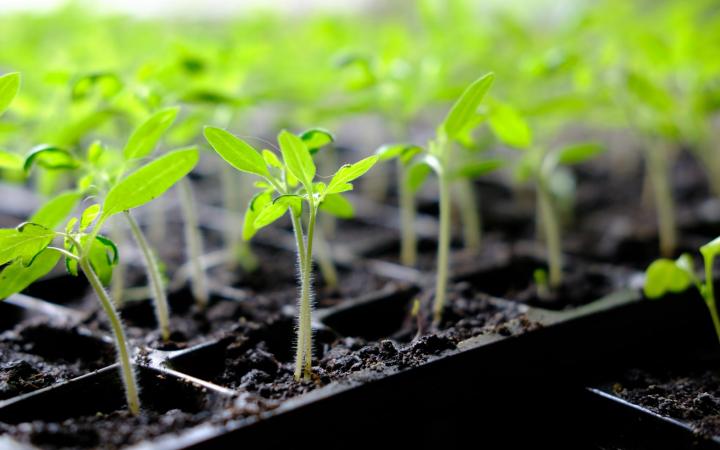
For many gardeners, March is the true beginning of the gardening year. As the soil begins to thaw and daylight increases, it’s time to plan your garden, start seeds indoors, and plant the first cool-season crops where the soil can be worked.
One of the most important questions in early spring is the timing of the last frost. Gardeners keep a close eye on frost dates before planting outdoors. See our 2026 Last Frost Date Map to learn whether the final frost in your region is expected to arrive earlier, about the same, or later than the long-term average this year.
New to gardening? Start with our complete guide to Vegetable Gardening for Beginners, which walks you through where to plant, what to grow, and how to get your first garden started.
Wondering when to plant what? Check our location-based Planting Calendar to see when to start seeds and transplants in your area.
Planning a vegetable garden? We’ve done all the research—from plant spacing to companion planting. Try the Almanac Garden Planner for free.
Just getting started? Explore our Learn to Garden series and our many veggie, fruit, flower, and herb Growing Guides.
March Weather
March weather is famously unpredictable. One day may bring bright sunshine and mild temperatures, while the next delivers snow, rain, or blustery winds.
According to a traditional weather proverb, if March comes in “like a lion,” it will go out “like a lamb.” In other words, a stormy beginning to the month may give way to gentler weather by its end.
Across much of the country, March is a month of fast-moving weather systems and dramatic temperature swings. Warm afternoons hint at spring ahead, while cold snaps remind us that winter has not quite finished its work.
Wondering what the rest of the season may bring? See the Spring Weather Forecast from The Old Farmer’s Almanac, with long-range predictions for temperature and precipitation across 18 regions of the United States.

In rural areas, March also brings mud season, the start of maple syrup making, and the sight of migrating geese returning north.
Birds & Fishing
March brings the first wave of returning birds as spring migration begins across much of North America. Early arrivals appear as the days grow longer and temperatures begin to rise.
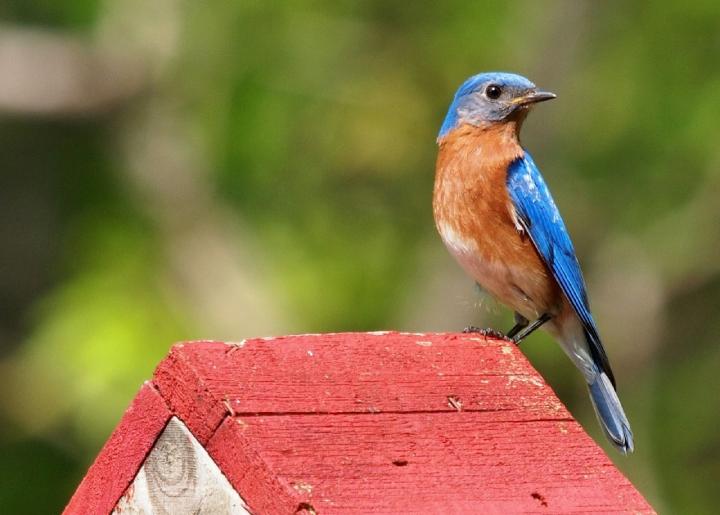
The call of the bluebird is often considered one of the first true sounds of spring. Henry David Thoreau wrote that the bluebird’s call “melts the ear, as the snow.” Learn more in House-Hunting With the Bluebird.
Now is a good time to check birdhouses for damage and give them a spring cleaning before new tenants arrive for the season. Learn how to attract birds to your garden.
In many regions, warming waters also signal the return of the fishing season. See the best days to fish this year.
March Astronomy
The Full Worm Moon
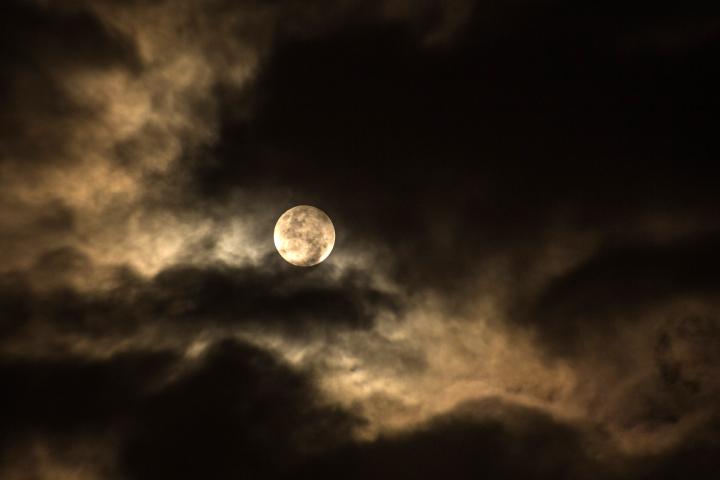
March’s Full Moon, the Worm Moon, reaches peak illumination on the morning of Tuesday, March 3, 2026. This year also brings a full lunar eclipse—sometimes called a Blood Moon.
Why is it called the Worm Moon? Find out in our March Full Moon guide.
In Like a Lion, Out Like a Lamb
You may have heard the weather proverb: “If March comes in like a lion, it will go out like a lamb.” One interpretation comes from the night sky. The constellation Leo—the lion—rises in the east at the beginning of March, while Aries—the ram—sets in the west near the end of the month.
Recipes for the Season
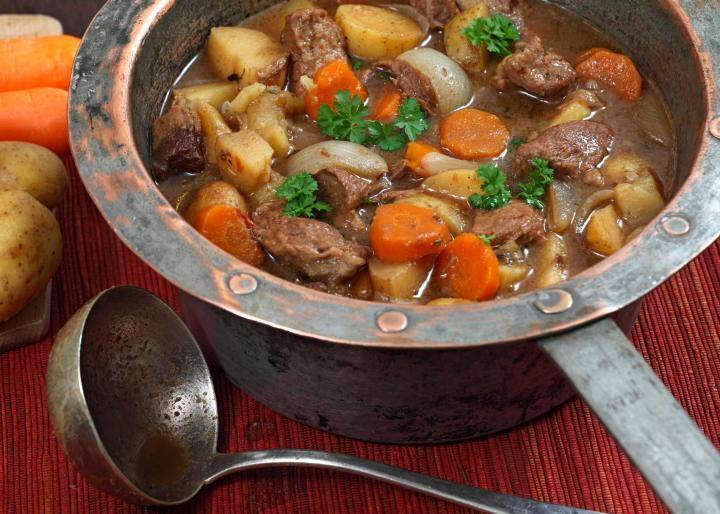
- Celebrate St. Patrick’s Day with 20 traditional Irish recipes.
- Enjoy spring flavors with Spring Risotto and Cream of Fiddleheads Soup.
- Browse our Spring Recipes collection.
- Learn how to make maple syrup and try our favorite pancake recipes.
Everyday Advice
- According to folklore, wear a sprig of rosemary in your hair to improve your memory.
- March brings rain and mud! Sprinkle salt on carpets to dry muddy footprints before vacuuming. See more cleaning tips.
Folklore for the Season
For generations, farmers and country folk watched the weather closely in March, passing down sayings meant to predict the season ahead.
- A wet spring, a dry harvest.
- On St. Patrick’s Day, the warm side of a stone turns up, and the broad-back goose begins to lay.
- March comes in with adders’ heads and goes out with peacocks’ tails.
- Thunder in spring, cold will bring.
- So many mists in March you see, so many frosts in May will be.
- In beginning or in end, March its gifts will send.
Learn More
Read about the previous month, February, or the next month, April!

More Like This

Comments

There are no pre-emergent controls for wild onion, but there are herbicides that will work during the growing season. If you wish to go this route, check with a garden center for the proper material for your area and your grass variety. Mowing wild onions will weaken them but not get rid of them because they grow from tiny bulbs which will re-sprout. You can nip the problem in the bud by digging out the clumps carefully in early spring as they appear, making sure that all the baby bulbs on the sides come up as well. The diminutive onions thrive in heavy, wet soils, so aeration and holding back water may help. If you keep after them for a couple of seasons you will win the battle. We hope that you don’t shed too many tears over your problem!
If you're looking for the "best days" by the Moon, then the best times to kill weeds are when the Moon's sign is in Aries, Gemini, Leo, Sagittarius, or Aquarius.
If you need it, you can find the Moon's Place in the Astrological Zodiac calendar in the print Almanac. You can pick up a copy in your local bookstore or find it at www.almanac.com/store .
- « Previous
- 1
- 2
- …
- 10
- Next »

The organic method of eliminating these is to dig them up, careful not to shake even the tiniest ones back into the soil. Removal this way is easiest when the soil is moist to wet.
If you are looking for true "best days." astrologically speaking, they would be in the print edition of the Almanac. Because there are many days through the season it is not possible to identify them all here. You can get the dates by month on this web site. Here's March: https://www.almanac.com/bestdays/timetable Look at "destroy pests and weeds." In future, search this site (top left) for "best days" and the months appear.
We hope this helps!