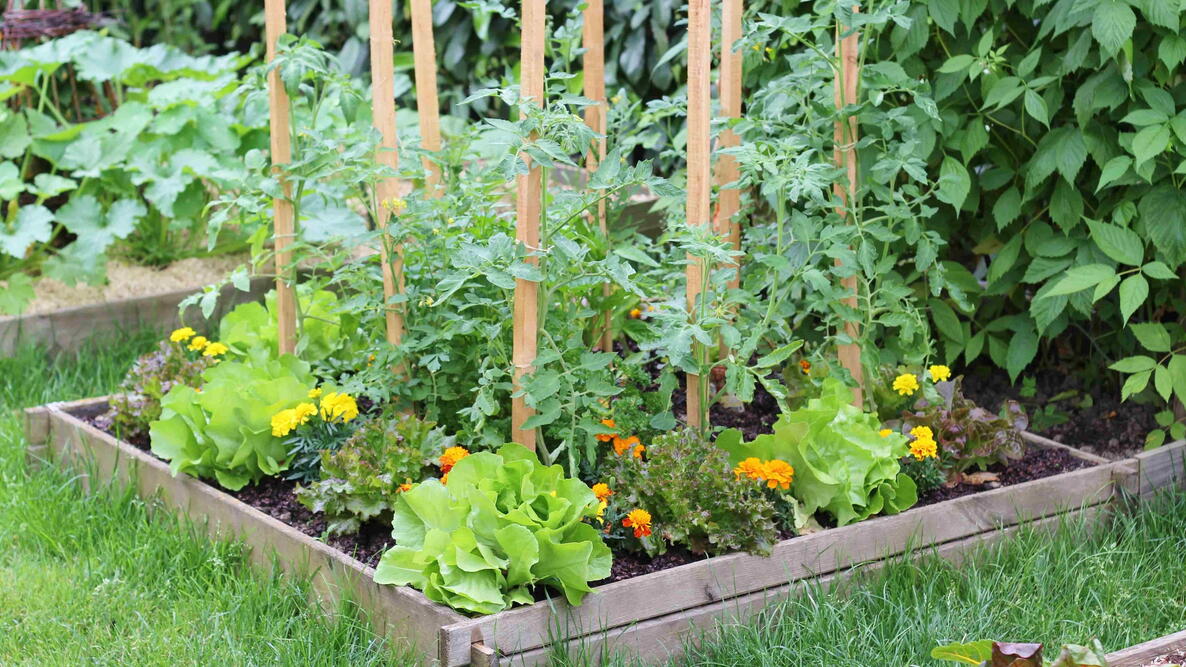
Caption
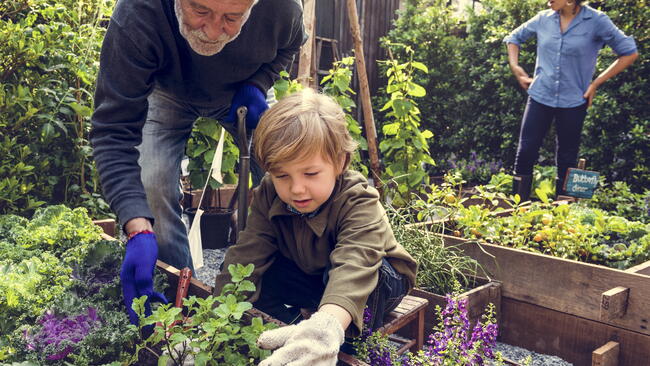
A simple 4×4 raised bed is a perfect starting point for beginner gardeners.
Starting a vegetable garden from scratch? You don’t need a big backyard or any gardening experience. This beginner’s guide shows you how to get your garden planted and growing, step by step.
You’ll learn how to choose a sunny spot, prepare the soil, and plan a small, manageable garden with easy-to-grow vegetables. We’ll also cover when to plant seeds or transplants and how to care for your crops through harvest.
How to Start a Vegetable Garden in 7 Steps
Ready to grow your own vegetables? Here’s how to get started:
- Choose a sunny location. Most vegetables need at least 6 to 8 hours of direct sunlight each day.
- Start small. A 4×4 or 4×8-foot garden bed is a manageable size for beginners.
- Choose easy vegetables. Grow crops you enjoy eating that are suited to your climate and growing season.
- Prepare your soil. Clear the planting area and improve the soil with compost or other organic matter.
- Find your planting dates. Use your local frost dates to determine when to plant each vegetable.
- Plant seeds or transplants. Follow the recommended planting depth and spacing for each crop.
- Care for your garden. Water consistently, control weeds, watch for pests, and harvest vegetables as they mature.
Let’s look at each step in more detail.
1. Choose a Sunny Location
The first step is finding a good place to grow vegetables. Sunlight is especially important, but you’ll also need healthy soil, good drainage, and easy access to water.
How Much Sun Do Vegetables Need?
Most vegetables grow best with 6 to 8 hours of direct sunlight daily. Crops that produce fruit, such as tomatoes, peppers, and zucchini, generally need full sun to produce well.
Some leafy vegetables, including lettuce, spinach, and kale, can tolerate partial shade, especially in warmer climates.
Before choosing your garden location, look for a space that is:
- Sunny: Watch where sunlight falls throughout the day. Trees, buildings, and fences can cast shade.
- Well-drained: Avoid low spots where water collects after rain. Vegetable roots need oxygen as well as moisture.
- Close to water: You’ll need to water regularly, especially when plants are young.
- Easy to reach: Choose somewhere convenient for planting, weeding, and harvesting.
- Protected from strong winds: A sheltered location helps prevent damage to young plants.
Tip: Don’t worry if your soil isn’t perfect. You can improve it before planting. But you can’t easily change how much sunlight your garden receives.

2. Start Small: Choose Your Garden Size
It’s better to be proud of a small garden than be frustrated by a big one.
Choose a location that receives 6 to 8 hours of direct sunlight daily, with good drainage and easy access to water.
One of the most common beginner mistakes is planting too much at once. A small vegetable garden is easier to water, weed, and harvest—and you can always expand next year.

Size of Garden
- In-ground: A 10×10-foot garden (100 square feet) is a manageable size. Pick three to five vegetables and buy three to five plants of each.
- Raised bed: A 4×4-foot or 4×8-foot bed is a great beginner size. See our Raised Garden Bed Guide. If you’d like to build your own, see our step-by-step DIY raised garden bed guide.
- Going bigger: A 12×24-foot garden is about the largest a first-timer should consider—only if you’re ready for regular maintenance.
- Plan paths: Every 4 feet or so, include paths so you can weed and harvest without stepping on the soil.
Raised Beds, In-Ground, or Containers?
There are three common ways to grow a vegetable garden:
- In-ground gardens: Grow directly in the ground. This is an economical option if you have suitable soil and enough space.
- Raised beds: Grow in a defined bed above the surrounding ground. Raised beds can improve drainage and make planting and maintenance easier, although they cost more to build and fill.
- Containers: Grow in pots, tubs, or grow bags. This is a good option for patios, decks, and other small spaces. Containers need drainage holes, suitable potting mix, and more frequent watering.
Not sure which to choose? Compare the advantages of raised beds, in-ground gardens, and containers.
How Big Should a Vegetable Garden Be?
For your first vegetable garden, consider these sizes:
- 4×4 feet: A good starting point for growing a few favorite vegetables.
- 4×8 feet: Enough room for several different crops without becoming overwhelming.
- 10×10 feet: A larger in-ground garden for someone ready to spend more time on maintenance.
A 4-foot-wide bed is convenient because you can reach the center from either side without stepping on the soil.
Remember that some vegetables need more room than others. A zucchini plant can spread across several feet, while lettuce and radishes fit comfortably into smaller spaces.
You don’t need much equipment to begin. A garden trowel, spade or garden fork, rake, and watering can or hose will handle most basic tasks. Gloves and hand pruners are useful additions.
Watch: 3 Things to Consider Before Starting Your Garden
3. Choose What to Grow
The best vegetables for a first garden are productive, relatively easy to care for, and suited to your local growing season.
Start with three to five crops you enjoy eating. Consider how much space each plant needs, when it grows best, and how much attention it requires.
Easiest Vegetables for Beginners
Grow a few vegetables you love to eat rather than trying to grow everything your first year. Here are 10 vegetables worth considering. Click any vegetable to see its detailed growing guide.
- Lettuce: A cool-season crop that grows quickly. Leaf lettuce can be harvested a few leaves at a time.
- Radishes: One of the fastest vegetables to harvest. Sow seeds directly in the garden in cool weather.
- Green beans: Bush varieties are compact and productive. Sow seeds directly after the soil warms.
- Peas: Grow well in cool spring weather. Many varieties benefit from a trellis or other support.
- Swiss chard: A productive leafy vegetable that can provide repeated harvests.
- Tomatoes: Start with healthy nursery-grown plants rather than seeds. Provide plenty of sun and a cage or stake for support.
- Zucchini: A productive warm-season vegetable, but allow plenty of space for each plant.
- Beets: Grow best in cool conditions. Both the roots and greens are edible.
- Kale: A hardy leafy vegetable that tolerates cool weather and can be harvested over time.
- Peppers: Start with nursery-grown transplants and provide warm weather and plenty of sun.
Your local climate matters. Lettuce, peas, and radishes generally prefer cooler conditions, while tomatoes, peppers, beans, and zucchini need warmer weather.
Tip: Choose vegetables that match your available space. One or two tomato plants may be plenty for a small garden, while quick-growing lettuce and radishes can provide several harvests.
A Simple 4×8 Vegetable Garden Plan
Not sure how to arrange your vegetables? A garden layout can help you visualize where everything will grow.
See our 4×8 Vegetable Garden Layout for Beginners shows how to grow several crops in one manageable bed, including:
- Leaf lettuce
- Swiss chard
- Onions
- Early potatoes
- Bush beans
- Nasturtiums
The illustrated plan includes plant quantities, spacing, and a planting schedule.

You can build the layout as a raised bed or use the same dimensions in an in-ground garden.
Remember: These vegetables aren’t all planted at the same time. Some prefer cool spring weather, while others need warmer conditions.
For more ideas, browse our free vegetable garden plans and layouts.
4. Prepare Your Garden Soil
Healthy soil is the foundation of a productive vegetable garden. It provides nutrients, holds moisture, and allows roots to grow.
Most vegetables prefer soil that drains well and contains plenty of organic matter.
Before planting, it’s worth testing your garden soil to check its pH and nutrient levels. The results can help you decide whether any amendments are needed.
How to Prepare a New Garden Bed
If you’re starting a vegetable garden in an area covered with grass, you’ll need to prepare the ground before planting.
Here’s a simple approach:
- Mark your garden area. Use string, stakes, or a garden hose to outline the bed.
- Remove the grass and weeds. For a small plot, you can cut and lift the sod with a spade. Another option is to smother the grass with cardboard and organic material, allowing time for it to decompose.
- Loosen compacted soil if needed. Use a garden fork to improve the soil’s structure without repeatedly turning it over.
- Add compost. Spread about 2 to 3 inches of finished compost over the soil and work it into the upper layer as appropriate for your soil conditions.
- Rake the surface smooth. Remove large stones and break up clumps to create a planting surface.
Don’t dig or work soil when it’s soaking wet. Wet soil compacts easily and can form hard clods as it dries.
If you’re using raised beds, fill them with a suitable garden soil and compost mixture. Containers need a high-quality potting mix rather than ordinary garden soil.
Compost helps improve soil structure and supports healthy plant growth. You can buy finished compost or make your own compost from garden and kitchen materials.
For more details, see our complete guide to preparing garden soil for planting.
5. Find Out When to Plant
Knowing when to plant is just as important as knowing what to grow.
Planting dates vary depending on where you live and which vegetables you choose. Some crops grow best in the cool weather of early spring, while others need warm soil and frost-free conditions.
Find Your Local Planting Dates
Start by looking up your area’s average last spring frost date. This is an important guide for deciding when tender vegetables can safely go outdoors.
Use our Frost Date Calculator to find the average frost dates for your ZIP or postal code.
Then check the Almanac Planting Calendar for recommended dates to:
- Start seeds indoors
- Plant seeds directly outdoors
- Transplant young plants into the garden
Frost dates are estimates, not guarantees. Always check your local weather forecast before planting tender vegetables outdoors.
Cool-Season vs. Warm-Season Vegetables
Vegetables fall into two broad groups based on the temperatures they prefer.
Cool-season vegetables grow best in the cooler temperatures of spring or fall. Examples include:
- Peas
- Lettuce
- Spinach
- Radishes
- Carrots
Many can be planted before the last spring frost once the soil is workable, depending on the crop and local conditions.
Warm-season vegetables need warmer soil and air temperatures. Examples include:
- Tomatoes
- Peppers
- Green beans
- Cucumbers
- Zucchini
Wait until the danger of frost has passed and the soil is sufficiently warm before planting these crops outdoors.
In warmer regions, some vegetables can also be grown through fall and winter. Your local planting calendar will help determine the right timing.
6. Plant Seeds or Transplants
Now you’re ready to plant!
Some vegetables grow best when their seeds are planted directly in the garden. Others are easier to establish using young plants, called transplants or starts.
Seeds vs. Transplants: Which Should You Use?
Seeds are inexpensive and give you many varieties to choose from. Some vegetables are especially well suited to direct sowing.
- Radishes
- Carrots
- Peas
- Beans
- Beets
Transplants are young plants that were started indoors or in a greenhouse. They give you a head start on the growing season.
For beginners, buying healthy tomato and pepper transplants is often easier than starting those crops from seed.
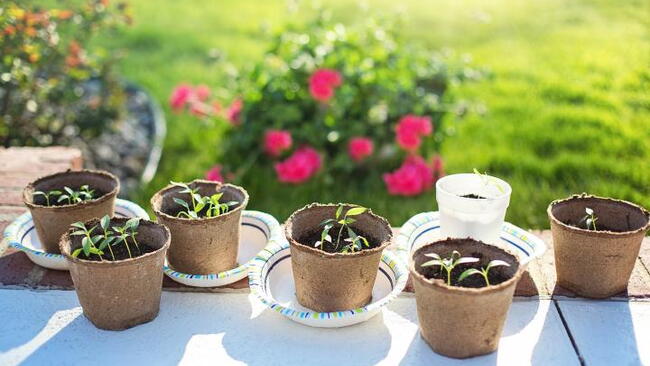
You can also start seeds indoors if you’d like to grow your own transplants.
Tip: Plants started indoors need time to adjust to outdoor sunlight, wind, and temperatures. This gradual process is called hardening off.

How to Plant and Space Your Vegetables
Once the soil is prepared and the weather is suitable, follow these basic planting steps.
Planting seeds:
- Check the seed packet for planting depth and spacing.
- Make a shallow furrow or planting hole.
- Place the seeds at the recommended depth.
- Cover gently with soil and water using a light spray.
- Keep the soil evenly moist until the seeds germinate.
- Thin crowded seedlings as directed so the remaining plants have room to grow.
Planting transplants:
- Water the young plants before planting.
- Dig a hole wide enough to accommodate the root ball.
- Gently remove the plant from its container without damaging the roots.
- Set it into the hole at the appropriate depth, generally the same depth it grew in the pot. Tomatoes are an exception and can be planted deeper.
- Fill in around the roots and gently firm the soil.
- Water thoroughly to help the plant settle into its new home.
Follow the spacing recommendations for each vegetable. Small seedlings may look far apart when you first plant them, but they need room to reach their mature size.
Also consider plant height. Place tall crops where they won’t shade smaller vegetables. In most Northern Hemisphere gardens, the north side is a good location for taller plants.
For more detailed instructions, see our guides to sowing seeds outdoors and transplanting seedlings.
7. Care for Your Vegetable Garden
Once your vegetables are planted, regular care will help them grow into healthy, productive plants.
You don’t need to spend hours in the garden every day. A few minutes checking your plants, watering when needed, and pulling young weeds can make a big difference.
How Often Should You Water?
Vegetables need consistent moisture, especially when seeds are germinating, transplants are establishing roots, and crops are producing.
Many established vegetable gardens need roughly 1 inch of water per week, including rainfall, although the amount varies with weather, soil type, and plant growth. Hot conditions may require more.
Instead of watering on a fixed schedule, check the soil. If it feels dry an inch or two below the surface, it’s probably time to water.
Keep these tips in mind:
- Water deeply enough to moisten the root zone rather than wetting only the surface.
- Water near the base of plants to keep foliage drier.
- Water in the morning when possible.
- Check containers more frequently because their soil dries out faster.
- Keep newly sown seeds consistently moist without washing them away.
Avoid both extremes. Soil that stays waterlogged can damage roots, while soil that dries out repeatedly can stress plants and reduce harvests.
Mulching, Weeding, and Pests
A little preventive care can save you considerable work later.
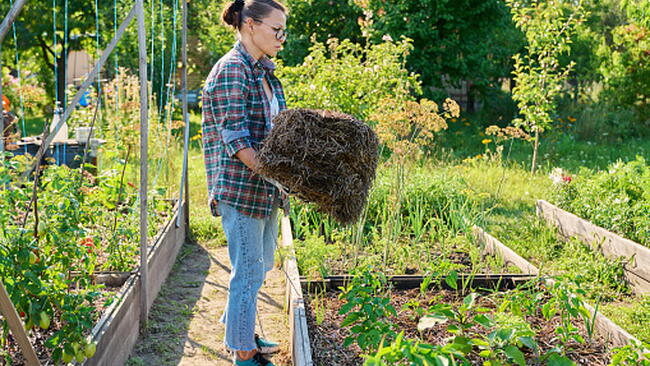
Mulch: Once plants are established and the soil has warmed appropriately, apply a layer of clean straw, shredded leaves, or another suitable organic mulch around your vegetables. Mulch helps conserve moisture and suppress weeds. Keep it slightly away from plant stems.
Weeds: Pull weeds when they’re small, before they compete with vegetables for sunlight, nutrients, and water.
Pests: Look over your plants regularly, including the undersides of leaves. Holes, discoloration, and damaged stems can be signs of a problem. Identify the cause before choosing a treatment; not every insect in the garden is harmful.
Plant support: Install stakes, cages, or trellises for crops that need them, such as tomatoes and climbing peas, before plants become difficult to manage.
If plants aren’t growing well, check the basics first: sunlight, soil moisture, drainage, and temperature.
When to Harvest Your Vegetables
One of the rewards of growing vegetables is picking them fresh from your garden.
Harvest timing depends on the crop:
- Lettuce and chard: Pick outer leaves while allowing the center to continue growing.
- Radishes: Harvest when the roots reach the recommended size, before they become oversized and tough.
- Green beans: Pick tender pods regularly to encourage continued production.
- Tomatoes: Harvest when they have developed their mature color and are ready to eat.
- Zucchini: Pick while the fruits are still relatively small and tender.
Check your seed packets for information about days to maturity and expected harvest size.
Many vegetables benefit from frequent harvesting. Leaving ripe produce on plants too long can reduce quality and, for some crops, slow further production.
For crop-specific harvesting advice, explore our Vegetable Growing Guides.
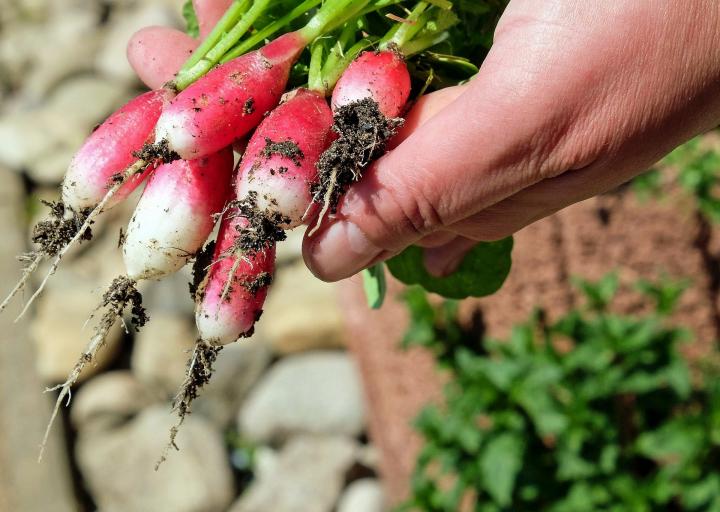
Any questions or advice about starting your garden? See our guide on how to plan a vegetable garden. And check out the comments below from our Almanac community. Happy gardening!

Getting Started
Planning For a Garden
Planting a Garden
Plant Growing and Care
Harvesting and Storing Vegetables
More Like This
ADVERTISEMENT

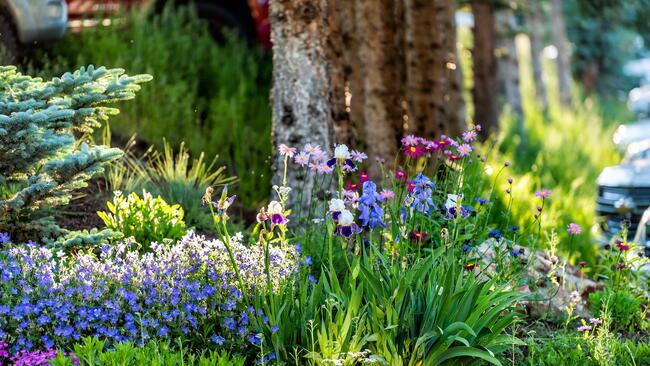
We plant them right alongside the veggies in the bed!
For most vegetables, it's best to remove any flowers that appear while they're still indoors. The flowers are just a waste of energy, since the plants should really be spending all their energy putting down roots and producing foliage once they're planted in their permanent location.
- « Previous
- 1
- 2
- …
- 10
- Next »

Comments