


Harvesting on the family farm.
Tips on How to Harvest Your Vegetables in the Garden

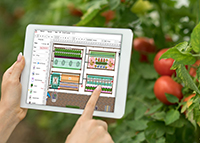
Become a better gardener! Discover our new Almanac Garden Planner features for 2024. It’s easy, fun, and free to try!

Our guide to harvesting vegetables lists all your common crops with tips on when to harvest and how to harvest. There are clues to tell us when produce is at the peak of flavor. Find out!
The word “harvest” is derived from the Anglo-Saxon haerfest (“autumn”), though the season goes all summer and fall in the United States. The annual rush of vegetable abundance begins, with tomatoes, squash, cucumbers, beans, potatoes, and all the rest pouring from the gardens in a triumphant cascade, as when the winning wheels click into place on a nickel slot machine.
Learning when and how to harvest is quite fascinating, as each crop is a little different. Enjoy our harvesting guide with all the information you could possibly want to know!
Read Next
5 Tips on When to Harvest
- Harvest in the early morning after the dew dries. This is when vegetables are at their juiciest and most flavorful. Produce will keep longer and not become limp from heat; this especially refers to leafy greens like lettuce and chard and herbs such as parsley and basil. It also applies to crisp fruiting vegetables like peas and anything in the cabbage family, broccoli, and radishes.
- Once a crop starts producing, check the garden every day! Zucchini can grow from 2 inches to 2 feet very quickly, and you want to pick them at 6 to 8 inches. Beans do not wait for anyone. If you don’t keep picking beans once they get started, they’ll simply slow down. Or, if you let those cucumbers grow as big as baseball bats, the plant will assume that its reproductive period is over.
- Bigger is NOT usually better. This is a common novice mistake. Big beets, beans, or okra pods will only taste tough and woody; big radishes will turn into balls of indigestible fiber.
- Be gentle when you pick. Never yank fruit or vegetables. Stems and branches are easily broken, inviting disease. Use two hands to pick; hold the stem in one hand and pick with the other. If the crop is ripe but doesn’t easily pull by hand (such as eggplant), use scissors, pruners, or a knife.
- Not all fruits and vegetables ripen the same way. Pears are picked when they are still hard! Watermelons, squash, and cucumbers must be fully developed before being picked. Tomatoes, apples, and peaches can ripen on or off the vine.
If you’re growing your own, you have a major advantage over grocery store produce because they often need to pick well before the vegetable has reached peak flavor and nutrition.

When to Harvest Vegetables
Your seed packets should provide the average number of days until maturity as a guide. However, weather, soil fertility, and other factors can influence this average.
(Click the links below to go to the respective plant guides for more harvesting information.)
Artichokes
Harvest artichokes when the buds are tightly closed and firm, about 3 inches in diameter. Do not wait until the bud opens, or the petals will no longer be tender.
Arugula
Arugula leaves taste best when young. Harvest leaves when they are about 2 to 3 inches long. Pull up the whole plant with a garden fork or cut individual leaves along the way as needed. The white flowers are also edible—try them in salads or to make your plating more interesting. Once the plant bolts, the leaves will taste bitter.
Asparagus
Cut spears when they are about 6 to 8 inches long; otherwise, the base will get too tough. Look for tightly closed tips and firm yet tender stalks that are about as thick as your pinky finger. Cut or snap at the soil surface (no deeper) before the tips begin to separate.
Basil
Harvest as soon as the flower buds begin to appear (but before they open) for the best flavor.
Beans
Harvest snap or pole beans when they are as thick as a pencil. If the pod is bulging, it’s overripe and will be tough; if it’s too slender, it won’t be flavorful. Snip or break the pod off the stem above the cap; do not yank, or you’ll break the stems. Use two hands to pick, holding the bean stem in one hand and picking with the other. Once beans get going, pick every other day so that they keep producing. Bush beans will often produce second and third flushes of beans.
Beets
Look for small to medium-sized roots (1-1/2 to 3 inches in diameter). Beets can be harvested at any time, but the larger ones will often be tougher and woody. Beets should have smooth, firm flesh, show a rich color, and have healthy green leaves (not wilted). If you are eating beets for their greens, they can be harvested anytime once their leaves are 4 to 6 inches long.
Bok Choy
Waiting too long to harvest bok choy is a common mistake. Start harvesting your bok choy when the plants are 12 to 15 inches tall. Use a sharp knife and trim an inch or two above the soil. The remaining plant will likely sprout and grow a new, although smaller, bok choy. You can also cut the outer leaves individually with a knife. The inner leaves will continue to grow, and the plant will continue to sprout new growth.
If you wish, harvest a few plants earlier for baby bok choy (when 6 to 8 inches tall). The spacing created will allow the rest to keep growing larger. Baby bok choy can be harvested as soon as 30 days after planting, while others are left to grow to maturity. Some varieties will grow for 60 to 70 days in cool weather before reaching peak size.
Broccoli
Harvest when the main head is 3 to 6 inches in diameter and the flower buds are compact and tightly closed—harvest broccoli in the morning. Using a sharp knife, cut 6 to 7 inches below the head. If the underside of the top turns yellow, the broccoli is overripe and will taste tough and woody. Cut the plant about halfway down the stalk to encourage side shoots. Note: Real garden broccoli doesn’t produce those abnormally huge heads that you find in grocery stores, so don’t be surprised when it doesn’t.
Brussels Sprouts
Harvest sprouts (buds) when they reach at least 1 inch in diameter, harvesting from the bottom of the stalk first. Remove the leaf below the sprout, then cut (or twist) off the sprout from the stem. Note that a light fall frost or two improves Brussels sprouts’ flavor. Do not strip the leaves, as they are needed for growth.
Cabbages
Look for a firm head that’s the size of a softball or slightly bigger; if cabbage heads get too big, they’ll split. Avoid a cracked head, pale color, or wilted leaves. Once cut, keep cabbage out of direct sunlight.
Carrots
Young carrots are the sweetest. Round carrots are best when they are 1-1/2 inches in diameter; pick them at this stage for the best flavor. Baby carrots can be picked when they are 1/2 inch thick. Look for a bright and rich color, firm body, and smooth skin. The leaves should be crisp and green.
If you’re growing spring carrots (versus fall), don’t leave them in the ground, or they will become bitter in the heat of summer. Note: Carrots with tops left on will not store as long.
Wash freshly harvested carrots outside with the hose. Cut off the green tops and store the carrots in plastic bags in the refrigerator. Leaving the tops on will make the carrots limp.
Cauliflower
Watch cauliflower carefully. As soon as the head is compact, white, and firm—about 6 to 7 inches in diameter—cut the stem with a sharp knife right below the head, but also leave some leaves attached. If you wait longer, the head will start to separate and/or turn yellow. Protect cauliflower from sunlight if you have a non-blanching variety; when the head is 2 to 3 inches in diameter, fold the outer leaves over the head; usually, the heads are ready to harvest about 10 to 15 days later.
Celery
Stalks should be harvested when they are 8 inches long. Look for a fresh aroma, firm stalks, a green and glossy hue, and healthy green leaves.
Chives
Cut before the purple blossoms form and keep them cut back for the sweetest flavor.
Collards
All green parts are edible. The leaves have the same flavor at any size, but they are most tender when they are 6 to 8 inches long. If you pick leaves from the bottom up, the smaller leaves will keep growing. Use scissors, pruners, or a knife to harvest. A light frost will enhance the flavor of the collards. Keep harvesting until the hard freezes of winter finally kill the plant.
Corn
Corn is a tough one to gauge without looking inside the husk. Look for a tightly attached husk that is still green and silks that have begun to turn dry and brown. Then, select one ear, peel it back to expose the cob, and stab a kernel with your fingernail. The kernels should be plump, and a light milky liquid should ooze out; if it contains water, looks too creamy, or is dry, it’s not good.
Corn starts to lose its flavor the minute it’s picked! So, pick those ears on the day when you want to eat them (or within 72 hours). Pick corn in the early morning when its sugar content is at its highest; cool the ears right away on ice and then refrigerate them until you’re ready to cook.
Cucumbers
Once cucumber plants get started, harvest frequently (e.g., daily or every other day). Bigger is NOT better with cukes. If they start to turn yellow, their seeds harden, and they’ll taste bitter. Small cukes are the sweetest and have the softest seeds.
Pickling cucumbers should be between 2 and 6 inches, and other cucumbers between 6 and 10 inches. Look for richly dark, glossy green skin, a firm and heavy body, and no yellowing at the blossom end. Harvest the fruit by cutting stems with a sharp knife or pruners; never pull or tear.
Not only does harvesting frequently ensure the best taste and texture, but it also keeps the cucumber plant producing!
Eggplants
Don’t ever pull eggplants by hand; use pruners or a sharp knife to harvest them, and leave a stem stub. Harvest eggplants when they’re 4 to 6 inches in diameter, and the fruit’s skin is glossy, smooth, shiny, and unwrinkled. They should have a rich color, and their body should be heavy and firm. If you press the flesh with your fingernail, it should leave an indentation. If you cut the eggplant open, it will have a sprinkling of white, immature seeds. Fruit with no visible seeds are immature, and fruit with hard, dark seeds are overripe.
Garlic
Harvest garlic in early summer when the leaves begin to turn yellow. The wrapper, or “paper,” should be unbroken, tight, and dry (but not disintegrate). The bulb should be firm and plumb, not shriveled or spongy. Avoid sprouts. Use a gardening fork to lift the entire plant from the soil to harvest gently. Brush off the soil (do not wash) and place the garlic bulbs on a screen, or hang them in bundles so there is plenty of air movement. Leave to dry (cure) for 2 to 3 weeks until the outer skin is papery.
Kale
Harvest kale leaves when they are the size of your hand or a little bit bigger (6 to 8 inches long). As with spinach, younger leaves will be more tender. Cut with a knife or scissors, starting with the outer leaves at the bottom of the plant and working your way up; be sure to leave seven or eight leaf crowns to regrow after harvest.
Kohlrabi
To harvest, cut the kohlrabi root off at ground level with a sharp knife when the bulbous stems are between 2 and 4 inches in diameter. The stem should be succulent, tender, and sweet at this size. If allowed to become too large, it can become tough and bitter.
Leeks
Leeks are flexible! Young leeks harvested at finger size will be milder and tender and are great for eating fresh in salads or pestos. Larger leeks develop more flavor and texture. Use a garden fork to loosen the soil and lift the entire plant.
Lettuces
Head lettuce should be harvested when the head is about 6 inches in diameter, is firm and compact, and yields slightly when squeezed; leaves should have started to overlap. Use a knife to cut the stem near the soil line, severing the entire head from the roots. Do not wait too long. Lettuce will taste bitter if it has bolted and sent up a flower stem.
Leaf lettuce or mesclun should be harvested in the morning once the leaves are 4 inches tall. Use scissors to snip off the outer leaves first so that the plant will keep producing new leaves. Once it’s too hot, the plant will start to bolt, sending up its flower stem; after this, the leaves will taste bitter.
Okra
Harvest okra when the pods are just 2 to 4 inches long, about 4 to 6 days after the flower wilts. Use pruners or a sharp knife to cut off the pods, leaving about ¼ inch of stem. Be gentle with okra, which bruises. Also, once okra starts producing, harvest every day or two to keep it producing! Don’t neglect okra; large pods are tough and fibrous.
Onions
Harvest onions when the tops have turned brown and keeled over. The onions should be 1 to 2 inches in diameter. Use a garden fork to dig up the bulbs gently. Leave the bulbs in a shady place with good air circulation for a few days until their necks are completely dry before sorting. Then cut off the tops, trim the roots using scissors, and store in a cool, dry place.
Parsnips
Harvest parsnips once they’ve enjoyed a few frosts to maximize their flavor. Using a garden fork, pull the entire plant with roots out of the ground. Cut off the leaves above the top of the root. Also, you can leave parsnips in the ground all winter and harvest them in very early spring; don’t wait too long, or they won’t taste good.
Peas
Harvest garden peas as soon as the pods are elongated (about 3 inches) and feel full, but before the peas start to show or bulge and before the pods begin to yellow. Snip the pods off the vine with scissors or pruners. It’s best to pick a “test” pod and open it to see if the peas have filled it. Mature peas should taste sweet, crisp, and juicy!
If you’ve never tasted peas right after harvest, you’re in for a sweet surprise. Mmmm! But they need to be eaten soon after harvest because otherwise, they’ll turn into little starch balls. Also, you must harvest peas daily or every other day because they’ll stop producing quickly if they get too mature.
Peppers
Always harvest peppers by cutting them with pruning shears, scissors, or a knife; do not twist or break them off by hand. The size isn’t as important as the color. Sweet peppers can be eaten unripe (green color) or ripe (yellow, red, or orange); the taste gets sweeter as they color up. But also remember: The more you pick, the more they produce; if you pick some green, your plant will produce more peppers.
Hot peppers such as jalapeñ
Potatoes
If you wish, you can harvest some of your potatoes early for “new” potatoes, which are small and tender. Harvest after the potato plant flowers, about 6 to 8 weeks after planting.
For the main potato crop: When the foliage has died down, wait 1 to 2 weeks so that the potato skins can thicken. Then, use a garden fork to dig about 8 inches around the plant to avoid accidentally pricking or damaging the potato. Potatoes should have a firm body and be heavy for their size, without any black or soft spots, sprouts, wrinkles, or greenish tinge.
Pumpkins
Harvest pumpkins when their skin is so hard that it can’t be pierced with a fingernail, and the fruit is an even, deep color. Pumpkins will NOT continue to ripen off the vine. The rind should be firm and glossy. Using a knife, pruners, or loppers, cut the stem, leaving 2 inches to increase storage time and deter rotting. Never lift a pumpkin by its stem. Do NOT be exposed to frost. Keep in mind that pumpkins need to be cured in the sunshine (or in a warm, dry room) for 10 days. Then, store in a cool, dry place at around 50°F. See more about storage in our pumpkin growing guide.
Radishes
Pick radishes when they are just 1 inch in diameter, or they will turn “hot” and woody. Look for a firm, smooth, well-shaped body. The color should be bright. The leaves should be healthy and green. Use a garden fork to lift them out of the ground gently.
Rhubarb
Harvest rhubarb stalks when they are at least a foot in length, and their leaves are mature. Avoid cutting the stalks, which may damage the crown; use your hands to pull the stalk up and out with a twisting motion. Refrain from harvesting more than two-thirds of existing stalks at once, as this could damage the plant. NOTE: Rhubarb leaves are toxic, so cut them off and discard them; eat only the stalk.
Rutabagas
Harvest the roots when they are 4 to 5 inches in diameter for the best taste (about the size of a softball). Be gentle, using a garden fork to lift them. However, you can also harvest early—when the roots are 2 to 3 inches in diameter—for a more tender, succulent texture.
The roots will push up out of the ground as they gain size; this is perfectly normal. Note that garden-grown rutabagas tend to be shaped more like a top than round. A few frosts will enhance the sweet flavor of rutabagas, but be sure to harvest before the ground freezes. Cut off the leaves an inch above the fleshy root. Rutabaga foliage is edible when harvested young and tender. However, do not harvest more than a few leaves per root, as they need their foliage to grow big roots.
Spinach
Harvest spinach once the leaves are at least 4 inches long; small leaves are more flavorful than oversized leaves. Start from the outside, pinching off the stems with your fingers; large leaves need to be cut with scissors. Always leave at least four or five leaves on the plant so that it can regrow handily. It will keep growing for another cutting, but you must harvest before the spinach bolts (sends up a flower stem). Spinach that was left too long in the ground will have oversized leaves and taste bitter.
Squashes (Summer)
Smaller is better when it comes to zucchini and other summer squashes! With a pruner or knife, harvest when 6 to 8 inches long when they’re the most tender and flavorful. Once summer squash starts producing, pick DAILY and go in the morning just after the dew dries.
Pick pattypan squash at 2 to 3 inches long, round zucchini at 3 to 4 inches, and longer trombetta squash at 12 to 14 inches. If you leave squash too long, the tender skin hardens, it gets seedy and watering, and its flavor goes away.
Squashes (Winter)
Butternut squash, acorn squash, and other winter squash is ready to harvest when the skin hardens. Press your fingernail through the flesh. If you have to work at it, the squash is ripe; if it’s very easy to pierce, the squash is immature. The skin should be full (non-glossy), firm, and rich in color without blemishes, cracks, or soft spots. The stem should be dry and firm. As with pumpkins, use pruners or a knife to cut the squash from the vine, leaving an inch or two of the stem. Cure for 10 days and store in a dry, cool, dark location.
Sweet Potatoes
Harvest sweet potatoes after the vines turn yellow (and before the first frost). You may need to cut back the vines (with pruners). Then, using a garden fork, carefully lift the entire plant with roots from the soil. To avoid injuring tubers, use a digging fork to loosen an 18-inch-wide circle around the plant and use your hands to dig up gently. A mature sweet potato should have a firm body without a greenish tinge, soft spots, or wrinkles. Then, sweet potatoes need to be cured in a warm (80°F to 90°F), shady, well-ventilated place for about 10 days to bring out their flavor and also to bake well. A shaded table outdoors and out of the rain works well.
Swiss Chard
Harvest the first outer leaves when the plants are 4 to 6 inches high (well established), but be sure to leave at least four to six leaves. Then, let the leaves grow until they’re 6 to 10 inches long before cutting again. The plant will keep producing leaves throughout the summer, and it can also overwinter in mild areas where the ground does not freeze hard.
Tomatillos
Harvest tomatillos once the husk around the fruit breaks open. Using two hands, use one hand to hold the vine and the other to pick off the fruit. A ripe tomatillo is firm and bright green. If they are overripe, the fruit will have turned yellow and have an unappealing taste.
Tomatoes
In the case of tomatoes, leave the fruit on the vine as long as possible (and it still remains firm) for the most taste and complex flavor. The perfect tomato for picking will be very rich in color with no trace of green, regardless of size, as well as slightly firm—not hard—when gently squeezed. The skin will be smooth and glossy. The aroma will be fragrant.
To harvest a truly ripe tomato, you can use your hand; if you simply press the fruit up, it should fall off the vine. However, if this doesn’t happen, use pruners or scissors to cut the fruit off; do not pull the vine. If frost is predicted, you can pick tomatoes that have turned at least a little green to ripen indoors (although many folks like green tomatoes!). Never refrigerate tomatoes, as temperatures below 55°F cause the flavor compounds to break down.
Turnips
The best-tasting turnips are the size of golf balls (2 to 3 inches in diameter, depending on variety). They have a firm body, smooth skin, rich color, and crisp leaves that are very green. Using a garden fork, gently lift them from the ground. If turnips get too large, they lose their mild, sweet flavor.

When to Harvest Fruit
Apples
Look for rich color, smooth skin, and a firm body. On the tree, the stem should part readily from the branch when the fruit is cupped in the palm of your hand and given a slight twist around, then up. Never leave apples on the counter or in a bowl after picking. They’ll turn soft. Store in the refrigerator.
Blackberries
Look for plump berries with a uniform black, shiny color with a hint of dullness. Avoid reddish color. Don’t wash berries until ready to use.
Blueberries
Look for plump, firm berries with a uniform dark blue color and powdery white coating (called bloom). If picking your own, don’t rush to pick the berries as soon as they turn blue. Wait a couple of days. When they are ready, they should fall off right into your hand. Don’t wash berries until ready to use.
Cantaloupes (Muskmelons)
A ripe cantaloupe should slip right off the vine without being pulled but not have already fallen off. This should just take a little thumb pressure. If you have to pull, it’s not ripe. At the stem, a crack appears that encircles the base of the stem.
The perfect cantaloupe is heavy, has a fragrant aroma on the blossom end, and feels slightly springy when pressed (but don’t press too often, or it will get bruised!). It also makes a hollow sound when thumped. The color under the skin’s netting should be yellow or cream color (not green), and the netting pattern should become more pronounced.
Cherries
Look for plump, firm fruit with a glossy, uniform, dark color for the variety and a fragrant aroma.
Figs
Figs should be allowed to ripen on the tree fully. The fruit should give slightly when gently squeezed but should not be overly squishy. The mature fruit’s color will depend on the tree’s variety. Figs grow perpendicularly out of the branch and will hang down slightly when they are ready to be harvested. Wear gloves and long sleeves while picking figs, as the tree’s sap can irritate the skin.
Grapes
Look for plump, firm grapes that are tightly attached to the stems. If they are the green variety, the color should be green tinged with yellow; if the red variety, the color should be dark red without any green; if the purple variety, the color should be almost black without any green.
Honeydews
Unlike a cantaloupe, a honeydew melon will not separate easily from the vine when mature and needs to be cut from it with a knife or pruners, leaving an inch of stem. In addition, a honeydew will not continue to ripen after it is cut (unlike a cantaloupe). When ripe, a honeydew will have a completely ivory rind with a slight yellow blush and a flower end slightly softened.
Lemons and Oranges
The best indicator of ripeness is taste. However, start with lemons that are heavy for their size and show a bright yellow color. Avoid dull or greenish colors and soft spots.
Peaches
At their peak, peaches have a golden color and a body that yields easily when gently squeezed. There should be no green left on the fruit. If you pick off a tree, the peaches should come off with only a slight twist. The fruit on the top and outside of the tree usually ripen first.
Pears
Harvest pears when they are mature but still hard. Most varieties do not change color when ripe, but the color should be consistent and the aroma fragrant. The stem area should yield slightly to pressure.
Plums
Plums will have the best flavor when left to ripen on the tree for as long as possible. Squeeze the fruit gently, and if it feels soft, the plum is ripe. Ripe fruit will come off the tree easily; just give them a slight twist.
Raspberries
The berry will be fragrant, plump, and fairly firm (not mushy) and show a bright, uniform color. If you’re picking your own, don’t tug too hard on your raspberries. A ripe raspberry will leave the vine willingly. Don’t wash berries until ready to use.
Strawberries
Ripe strawberries are fully red in color and shiny. They’ll be plump and green-capped and have a fragrant aroma. Don’t wash berries until ready to use.
Watermelons
Sometimes, it can be hard to know when to harvest a watermelon because they remain firmly attached to the vine even when they’re ripe. Do not harvest too early, as watermelons will not ripen off the vine.
The skin should have turned dull green (not shiny) and be very hard—difficult to pierce with a fingernail. The underbelly should have turned from green to buttery yellow, and the leaf on the tendril nearest to the fruit have turned brown and withered. Cut the melon from the vine with a knife or pruners, leaving 2 inches of stem attached.
You can also tell when a watermelon is ready by the sound that it makes when it’s ripe. See tips about how to tell if a watermelon is ripe.
Storing Your Harvest
Not sure how to store your fruit and vegetables? See our Guide on Storing Your Harvest so that your hard-earned garden goodies keep as long as possible!
In addition, you can always preserve your harvest by freezing, canning, pickling, drying, and more. See our center for preserving your food.
Catherine Boeckmann


Getting Started
Planning For a Garden
Planting a Garden
Plant Growing and Care
Harvesting and Storing Vegetables



ADVERTISEMENT
Watermelon picking time. An almost sure sign the melon is ripe
Take a fairly straight straw from your broom. Can be about 3 to 6 inch long. Lay the straw across melon if straw spins back and forth the melon is ready to pick. I have done this for several years
It even works at the grocery store.
If you pick a cantaloupe before the skin under the mesh is yellow, the sugars will never develop and the taste will not be pleasing. If you buy a green one from the grocery it is not worth taking home because it will not ripen properly.
how can I get them to ripen now that the nights are getting cooler. I live in zone 7 and still have warm to hot days , but nights are around 58 degrees
Plastic covered high tunnels are used by professionals. You could try row covers (or something heavier, like newspaper) in the evenings and remove it in the morning when the air is warmer and the Sun is up. Or raise a high tunnel over/around it?
I really like the stories you put in the Old Farmer Almanac, however it would be great if it was printable.
Thank you for your kind words! At the top of each article, there are light grey symbols. One of these is a print symbol. We hope this is helpful!
First time growing honeydew melons, how do you tell when they are ripe?
What about Brussels Sprouts?
Harvest Brussels Sprouts from the bottom of the stalk when they reach about 1 inch in diameter. See our Brussels Sprouts growing guide here: www.almanac.com/plant/brussels-sprouts
FORGOT TO SAY I LIVE IN GEORGIA
