For daily wit & wisdom, get the Almanac newsletter.

Soil pH Chart and Guide: Best pH Levels for Garden Plants

Primary Image
Image Credit:
Pixabay
Written By: Catherine Boeckmann Executive Digital Editor and Master Gardener
Body

Soil pH might not be something you think about often—but it plays a big role in helping your garden grow well. It simply tells you whether your soil is acidic or alkaline. You can add all the fertilizer in the world, but your plants cannot use it properly if the pH is off. 

Most garden plants like soil that’s slightly acidic to neutral, in the range of 6.0 to 7.0, but some plants are pickier than others. Blueberries, for example, like it much more acidic, while asparagus prefers a pH on the alkaline side. 

Preferred Soil pH Ranges for Plants

Use our chart to find the soil pH range for what you are growing—covering vegetables, fruits, trees, and flowers.

Common NamePreferred pH Range
Apple5.0–6.5
Ash6.0–7.5
Azalea4.5–6.0
Basswood6.0–7.5
Beautyberry Shrub6.0–7.5
Birch5.0–6.5
Blackberry5.0–6.0
Blueberry4.0–6.0
Boxwood6.0–7.5
Cherry, sour6.0–7.0
Chestnut5.0–6.5
Crab apple6.0–7.5
Dogwood5.0–7.0
Elder, box6.0–8.0
Fir, balsam5.0–6.0
Fir, Douglas6.0–7.0
Hemlock5.0–6.0
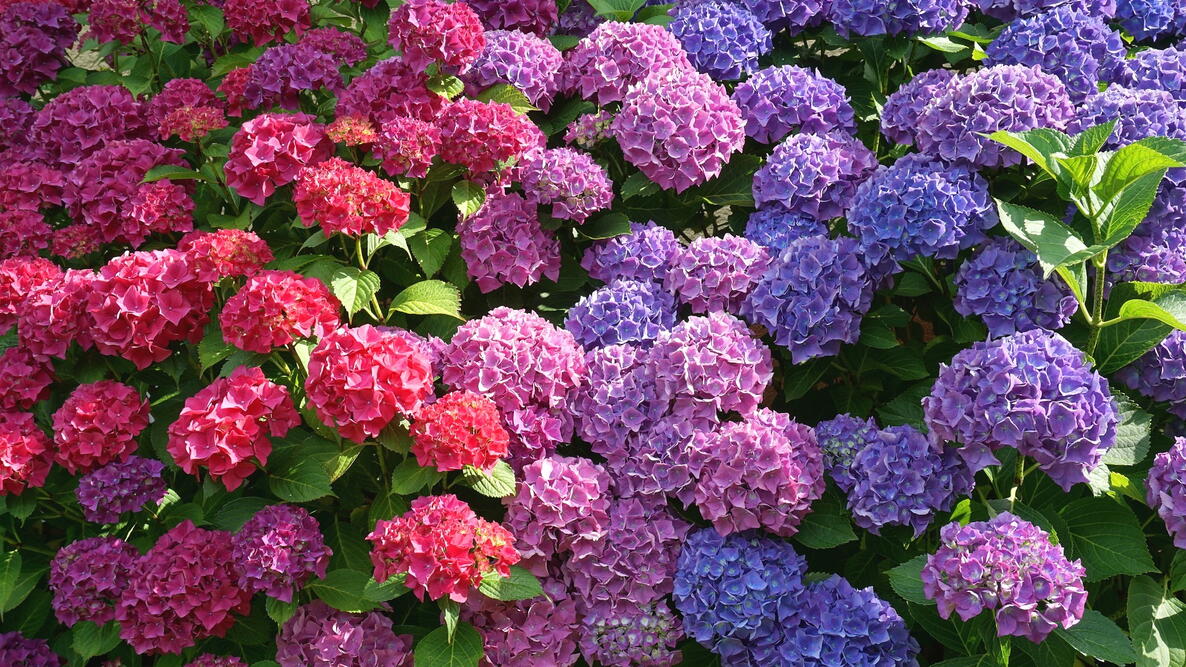
Hydrangea, blue-flowered4.0–5.0
Hydrangea, pink-flowered6.0–7.0
Juniper5.0–6.0
Laurel, mountain4.5–6.0
Lemon6.0–7.5
Lilac6.0–7.5
Maple, sugar6.0–7.5
Oak, white5.0–6.5
Orange6.0–7.5
Peach6.0–7.0
Pear6.0–7.5
Pecan6.4–8.0
Pine, red5.0–6.0
Pine, white4.5–6.0
Plum6.0–8.0
Raspberry, red5.5–7.0
Rhododendron4.5–6.0
Spruce5.0–6.0
Walnut, black6.0–8.0
Willow6.0–8.0
Asparagus6.0–8.0
Bean, pole6.0–7.5
Beet6.0–7.5
Broccoli6.0–7.0
Brussels sprout6.0–7.5
Cabbage6.0–7.0
Carrot5.5–7.0
Cauliflower5.5–7.5
Celery5.8–7.0
Chive6.0–7.0
Cucumber5.5–7.0
Garlic5.5–8.0
Kale6.0–7.5
Lettuce6.0–7.0
Pea, sweet6.0–7.5
Pepper, sweet5.5–7.0
Potato4.8–6.5
Pumpkin5.5–7.5
Radish6.0–7.0
Spinach6.0–7.5
Squash, crookneck6.0–7.5
Squash, Hubbard5.5–7.0
Tomato5.5–7.5
Alyssum6.0–7.5
Aster, New England6.0–8.0
Baby’s breath6.0–7.0
Bachelor’s button6.0–7.5
Bee balm6.0–7.5
Begonia5.5–7.0
Black-eyed Susan5.5–7.0
Bleeding heart6.0–7.5
Canna6.0–8.0
Carnation6.0–7.0
Chrysanthemum6.0–7.5
Clematis5.5–7.0
Coleus6.0–7.0
Coneflower, purple5.0–7.5
Cosmos5.0–8.0
Crocus6.0–8.0
Daffodil6.0–6.5
Dahlia6.0–7.5
Daisy, Shasta6.0–8.0
Daylily6.0–8.0
Delphinium6.0–7.5
Foxglove6.0–7.5
Geranium6.0–8.0
Gladiolus5.0–7.0
Hibiscus6.0–8.0
Hollyhock6.0–8.0
Hyacinth6.5–7.5
Iris, blue flag5.0–7.5
Lily-of-the-valley4.5–6.0
Lupine5.0–6.5
Marigold5.5–7.5
Morning glory6.0–7.5
Narcissus, trumpet5.5–6.5
Nasturtium5.5–7.5
Pansy5.5–6.5
Peony6.0–7.5
Petunia5.5–6.0
Phlox, summer6.0–8.0
Poppy, oriental6.0–7.5
Rose, hybrid tea5.5–7.0
Rose, rugosa6.0–7.0
Snapdragon5.5–7.0
Sunflower6.0–7.5
Tulip6.0–7.0
Zinnia5.5–7.0

What Is Soil pH?

Soil pH measures how acidic or alkaline your soil is, on a scale of 0 to 14.

  • A lower number (below 7) means acidic soil, sometimes called “sour.”
  • A higher number (above 7) means alkaline, or “sweet.”
  • A pH of 7 is neutral.

A pH of around 6.5 works well for most garden plants. Some crops and ornamentals, however, prefer conditions that are more acidic or more alkaline. Hydrangeas, for example, may produce blue flowers in acidic soil and pink flowers in alkaline soil.

More importantly, pH affects how plants take in nutrients. If the pH is too high or too low, nutrients may become less available—even if you have added compost or organic fertilizer.

How to Test Your Soil pH

There are two main ways to check your soil’s pH:

  1. Use a test kit. Sold at garden centers and online, these are easy to use and give you a general idea of your soil’s pH.
  2. Send a sample to your local Cooperative Extension office. Many states offer soil testing for a more detailed picture, including nutrient levels and recommendations for improving your soil. Find your Cooperative Extension.

Tip: Test different parts of your garden, especially if you grow different kinds of plants. Soil can vary from bed to bed.

How to Change Soil pH

Once you know your soil’s pH, you can make adjustments if it falls outside the range your plants prefer. Start with a soil test before adding amendments: how much you need depends on your current pH and soil type.

If your soil is too acidic

Agricultural lime is commonly used to raise soil pH. The amount needed depends on how acidic your soil is and whether it is sandy, loamy, or clay-based. Follow the recommendations from your soil test rather than adding lime by guesswork.

If your soil is too alkaline

Elemental sulfur is commonly used to lower soil pH. Again, the amount depends on your starting pH and soil type, so use your soil-test recommendations as a guide.

Tip: Make changes gradually and retest your soil before adding more. Soil pH changes take time and usually do not happen overnight.

Keep It Balanced

Soil pH does not have to be perfect, but it should be within a suitable range for the plants you are growing.

  • Don’t overcorrect. Make small changes and retest before adding more amendments.
  • Add compost for overall soil health. Compost improves soil structure, water retention, and biological activity, although it should not be relied on to make major changes to soil pH.
  • Watch for plant problems, but don’t diagnose by symptoms alone. Yellowing leaves or slow growth can have many causes. A soil test can tell you whether pH may be contributing.
  • Test periodically. Soil conditions can change over time, especially after repeated applications of fertilizers or amendments.

Frequently Asked Questions

Can I test soil pH with vinegar and baking soda?

Sort of. Vinegar may fizz in alkaline soil, while baking soda may fizz in acidic soil. These home tests can give you a rough indication, but they do not provide an accurate pH reading. For reliable results, use a soil test kit or send a sample to a soil-testing laboratory.

How long does it take to change soil pH?

It depends on your soil type, the amendment used, and how much the pH needs to change. Sandy soil generally responds faster than clay soil. Retest after several months before making additional adjustments.

Does compost make soil more acidic or alkaline?

Compost varies in pH depending on the materials used to make it. In most gardens, its greatest benefit is improving soil structure and overall soil health rather than significantly raising or lowering pH.

Test your garden soil and see how adjusting pH can support healthier growth. Share your results in the comments!

About The Author

Catherine Boeckmann

Catherine Boeckmann

Executive Digital Editor and Master Gardener

Catherine Boeckmann is the Executive Digital Editor of Almanac.com, the digital home of The Old Farmer’s Almanac. She leads digital editorial strategy and publishing across a wide range of Almanac sub...

Read more from Catherine Boeckmann